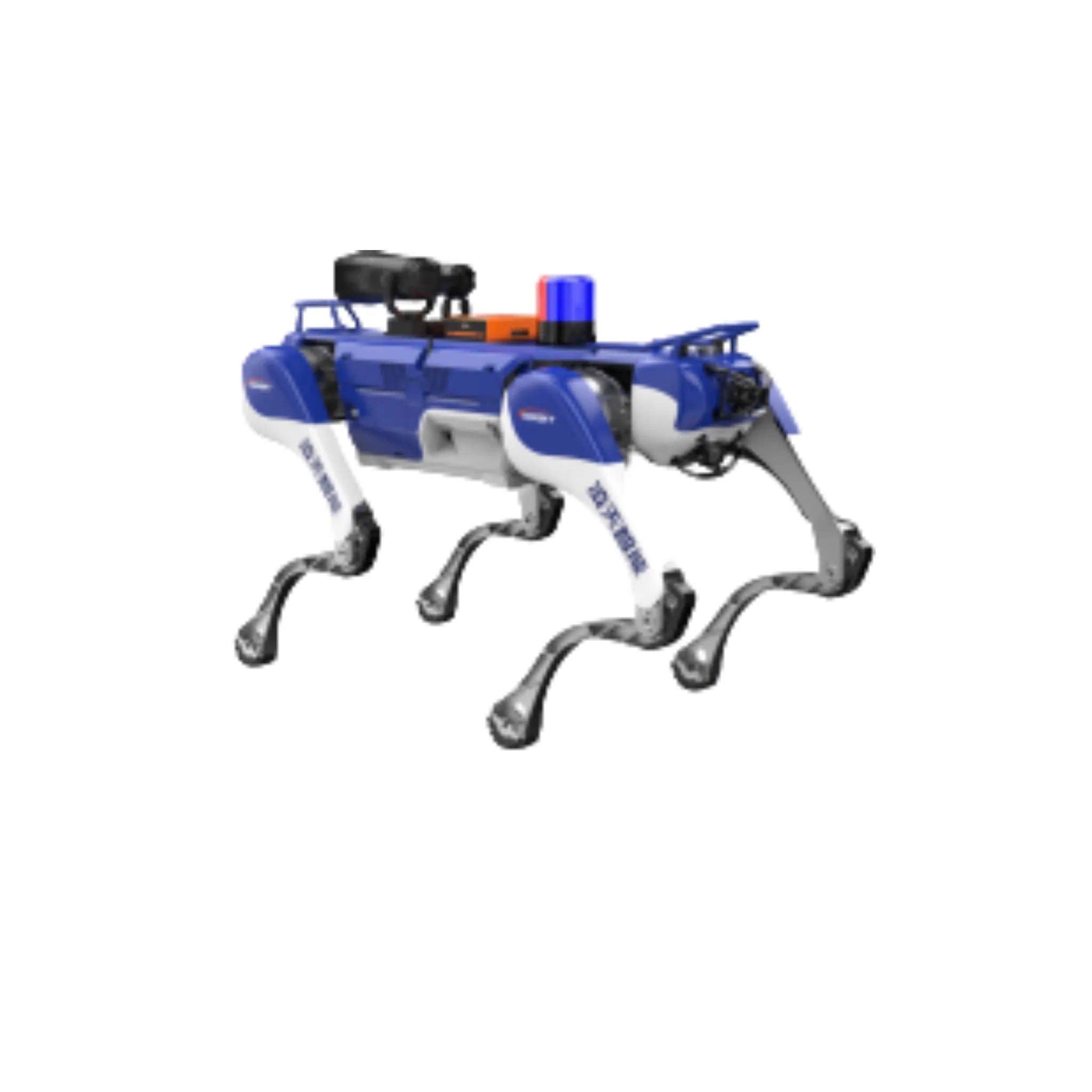
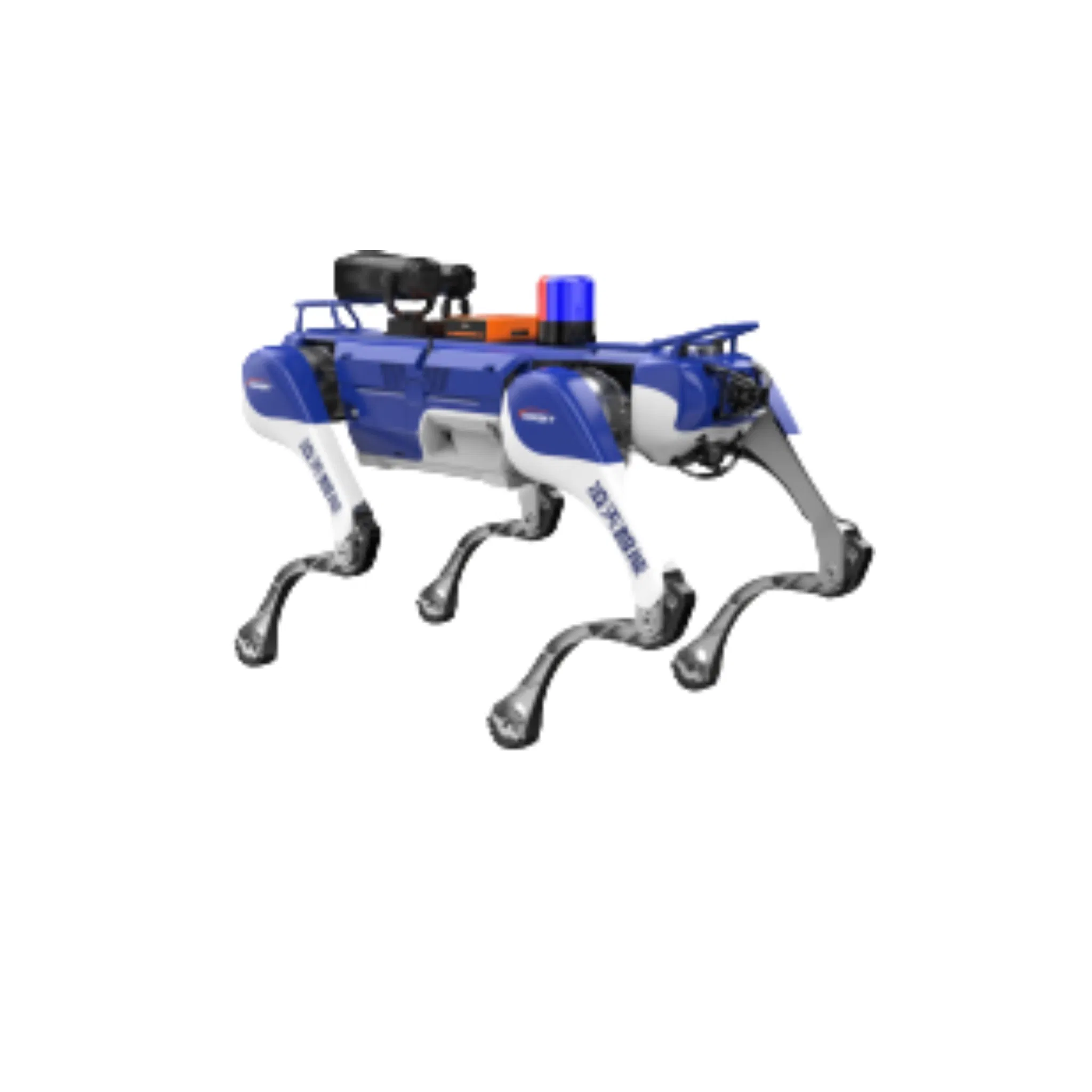
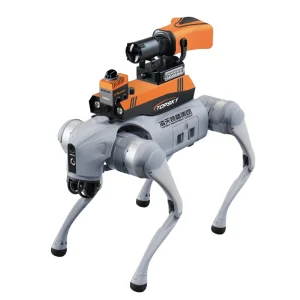
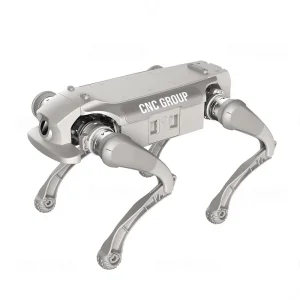
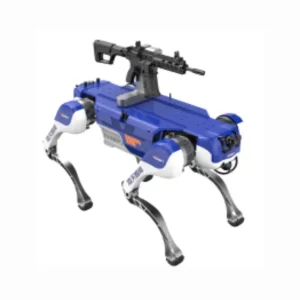
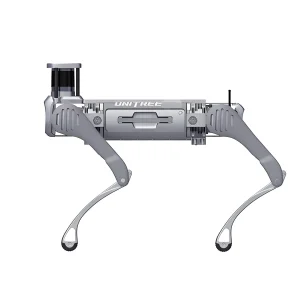
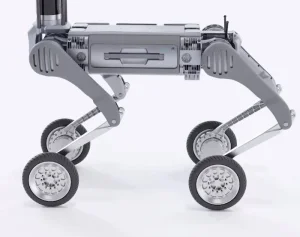
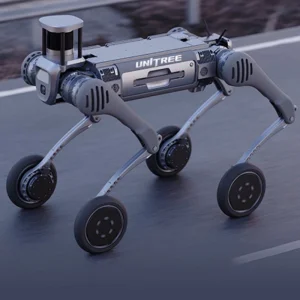
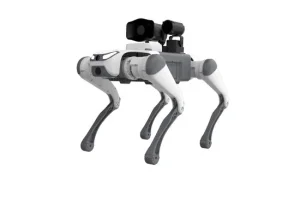
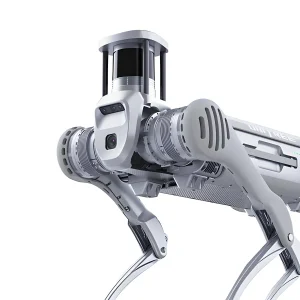
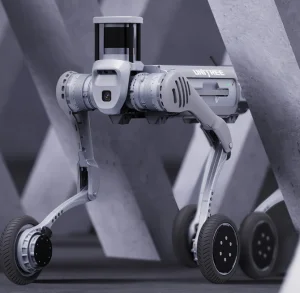
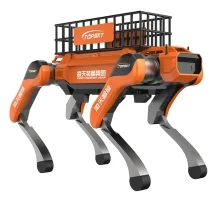
The quadruped robotic dog for security patrol is becoming an indispensable tool in modern policing work due to its intelligence, high mobility, and multifunctionality. It not only improves efficiency, but also reduces personnel risks, providing strong technical support for public safety.
Plays an important role in various scenarios such as public safety, hazardous environment investigation, search and rescue, border patrol, prison management, traffic management, community policing, counter-terrorism operations, and night patrols, which can effectively improve policing efficiency and reduce personnel risks.
1
Configure a handheld integrated remote control terminal: integrating robot body control and call lighting; Integrated data collection, support for video recording, and video feedback.
2
Lighting method: lighting flashing, lighting constantly on, lighting brightness adjustment, red and blue flashing.
3
Exploration distance: 100m.
4
Sound collection: Pick up distance of 1 meter, frequency range of 20Hz to 20kHz, sensitivity ≥ 40dB.
5
Shouting distance: 800m.
6
Equipped with autonomous following function.
7
Equipped with a variety of modules, it has expansion interfaces and supports secondary development.
8
Power supply form: Lithium battery, quick plug structure can be replaced at any time.
❓ Frequently Asked Questions
Q: What is the maximum load capacity of the robotic dog?
A: The robotic dog features a robust design with a load capacity of up to 300kg.
Q: How far can the robot be controlled remotely?
A: The standard remote control distance for operation is 100 meters.
Q: Is the robot suitable for night operations?
A: Yes, it is equipped with adjustable lighting modes including constant on, flashing, and red/blue warning lights for low-light environments.
Q: What kind of power source does it use?
A: It uses a high-capacity lithium battery with a quick-plug structure for easy replacement during tasks.
Q: Can the robot perform tasks in hazardous areas?
A: Absolutely. It is designed for dangerous environment investigations, including explosive handling and chemical pollution monitoring.
Q: Does it support secondary development?
A: Yes, it is equipped with expansion interfaces and supports secondary development for customized module integration.
 Excitech Robot