Mozambique is experiencing a transformative phase in industrial development. From the heavy mineral sands of Moma to the massive offshore natural gas extraction projects in the Rovuma Basin, and the vast logistics networks of the Beira and Nacala corridors, the country presents physical challenges that require automated solutions beyond traditional wheels. Standard wheeled and tracked inspection vehicles struggle with Mozambique's topography—ranging from shifting sandy coastal regions to steep, unpaved mining roads.
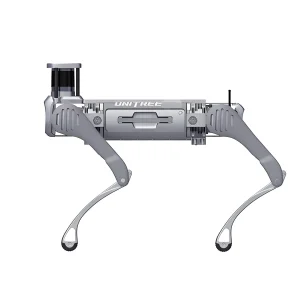
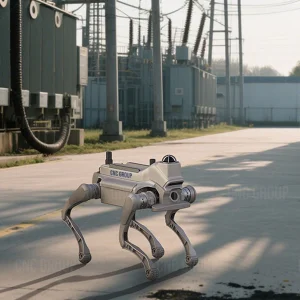
As a premier outdoor quadruped robot factory and exporter, we serve the Mozambican market with advanced robotic systems. Our bionic quadrupeds feature specialized dynamic balance systems and visual-inertial SLAM technologies. This enables them to navigate uneven surfaces, detect structural anomalies in real time, and conduct critical inspections in hazardous environments without risking human safety.
Our leading configurations selected for Mozambique's specific climate conditions, industrial mining regulations, and remote asset-monitoring setups.
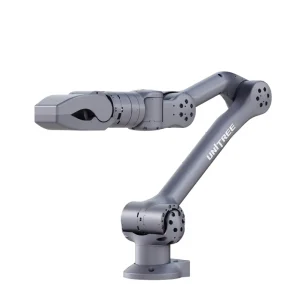
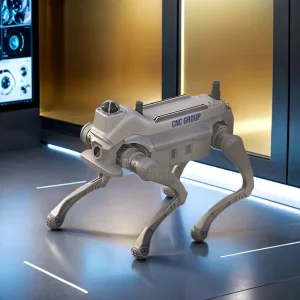
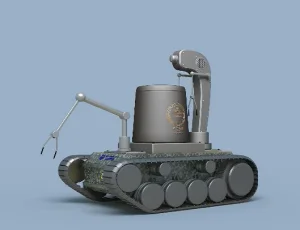
Deploying robotics in Sub-Saharan Africa requires an understanding of localized environmental stress factors. Mozambique's climate ranges from tropical in the north to subtropical in the south, presenting two primary challenges: fine red dust (inland mining sectors) and saline humidity (coastal shipping ports).
Our quadruped configurations and integrated optical/LiDAR modules are adapted to address these factors. They provide reliable operation across three core sectors:
Furthermore, infrastructure sites in Mozambique are often located in remote areas with limited cellular connectivity. Our integration of on-board edge computing enables the robots to perform autonomous mission routines, process telemetry locally, and transmit reports back via satellite link or regional private LTE networks. This minimizes dependency on real-time operator control.
By replacing manual inspections in hazardous zones—such as under gas pipelines or near high-voltage substations—with quadruped systems, operators can reduce workplace risks and comply with updated workplace safety regulations.
Utilizing high-frequency bionic locomotion control combined with 3D spatial mapping to guide quadrupeds through complex, unmapped territory.
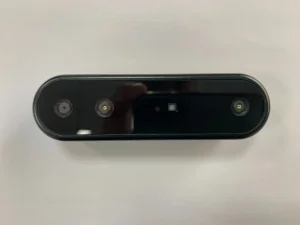
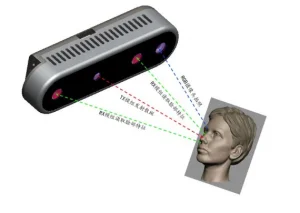
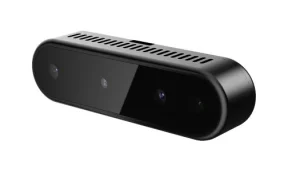
Integrating LiDAR, ToF, and Laser Speckle Depth cameras to capture thermal, chemical, and physical data in single runs.
Ensuring telemetry reaches command hubs via low-bandwidth connections or private industrial networks.
The global robotics sector is shifting from basic remote-controlled chassis toward fully autonomous bionic systems. This evolution is driven by advancements in artificial intelligence and more efficient actuators. Legged platforms are moving away from hydraulic systems toward high-torque electric motors, which offer lower maintenance requirements and greater reliability in remote locations like Sub-Saharan Africa.
A key focus of our development roadmap is the integration of multi-modal perception systems. By combining 3D Time-of-Flight (ToF) cameras with solid-state LiDAR, our quadrupeds can navigate environments with low visibility, such as dusty mine shafts or coastal fog.
Our software architecture, built on the ROSA 2.0 framework, separates core motor control functions from high-level payload operations. This design choice ensures that even if a payload sensor encounters an issue, the robot's locomotion and safety systems continue to operate independently.
Established in March 2012, Hangzhou Excitech Technology Co., Ltd. is a bionic and humanoid robotics enterprise. On 29 December 2023, we listed on the main board of the Hong Kong Stock Exchange (Stock Code: 9880.HK), becoming a publicly traded humanoid robotics company.
We develop our core robotics technologies in-house. This includes motion planning algorithms, bionic control systems, and high-performance servo actuators. Based on these foundations, we design, manufacture, and distribute integrated hardware and software bionic solutions for logistics, security, and industrial maintenance worldwide.

Bringing bionic robots into every field of work and life, making automation more reliable.

Building an integrated ecosystem of bionic hardware, software, and services powered by AI.

Creativity, Resilience, Collaboration, Straightforwardness.
Integrating core components and specialized platforms to customize industrial quadruped solutions for the Mozambican market.
Answers to common technical questions regarding bionic quadrupeds and automated systems in southern Africa.
Our bionic systems feature actively cooled electronic compartments and sealed joints with IP67 ingress ratings. This helps keep fine mining dust out of the joints and prevents overheating in temperatures up to 45°C.
Yes. Using our proprietary ROSA 2.0 bionic operating framework, developers can integrate telemetry data, video streams, and LiDAR maps into SCADA and enterprise asset management databases via standardized APIs.
Operating times range from 2 to 4 hours per charge, depending on the payload weight and terrain. They support swappable battery packs to allow continuous industrial inspection routines.
We manage bionic robotics exports to industrial centers in Maputo, Beira, and Nacala. We also offer training and remote technical support packages to help minimize operational downtime.
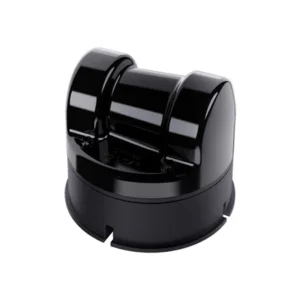
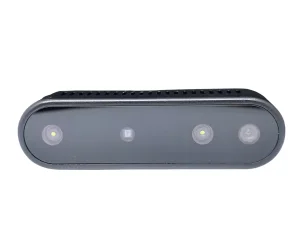
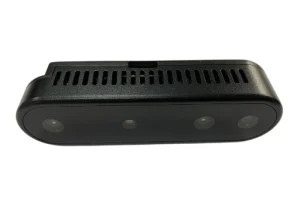
Yes. By combining 4D LiDAR (like the Unitree L1RM) with depth cameras (such as the Metasense 435), our robots can construct real-time 3D point-cloud maps to navigate and avoid obstacles without relying on external GPS signals.
 Excitech Robot