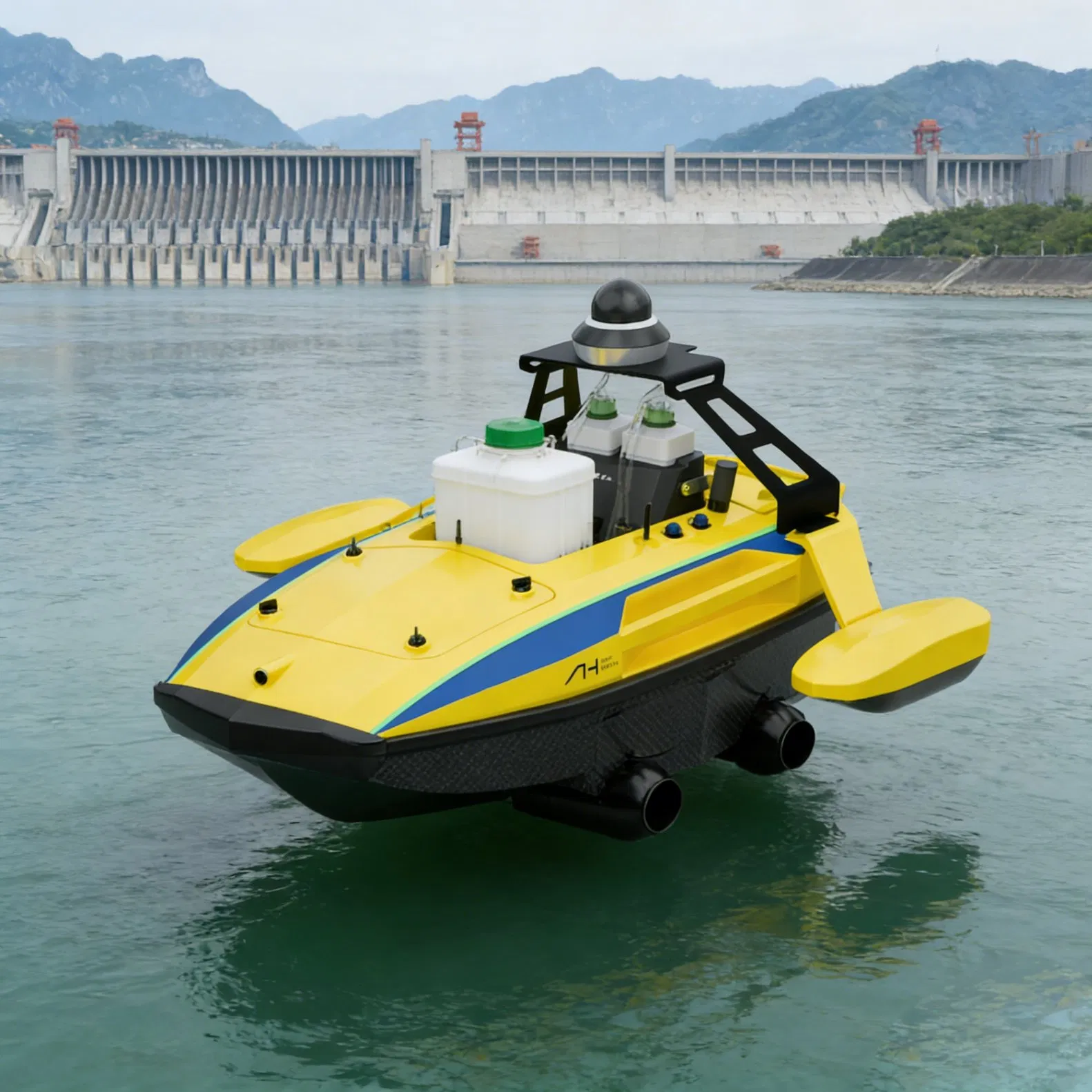
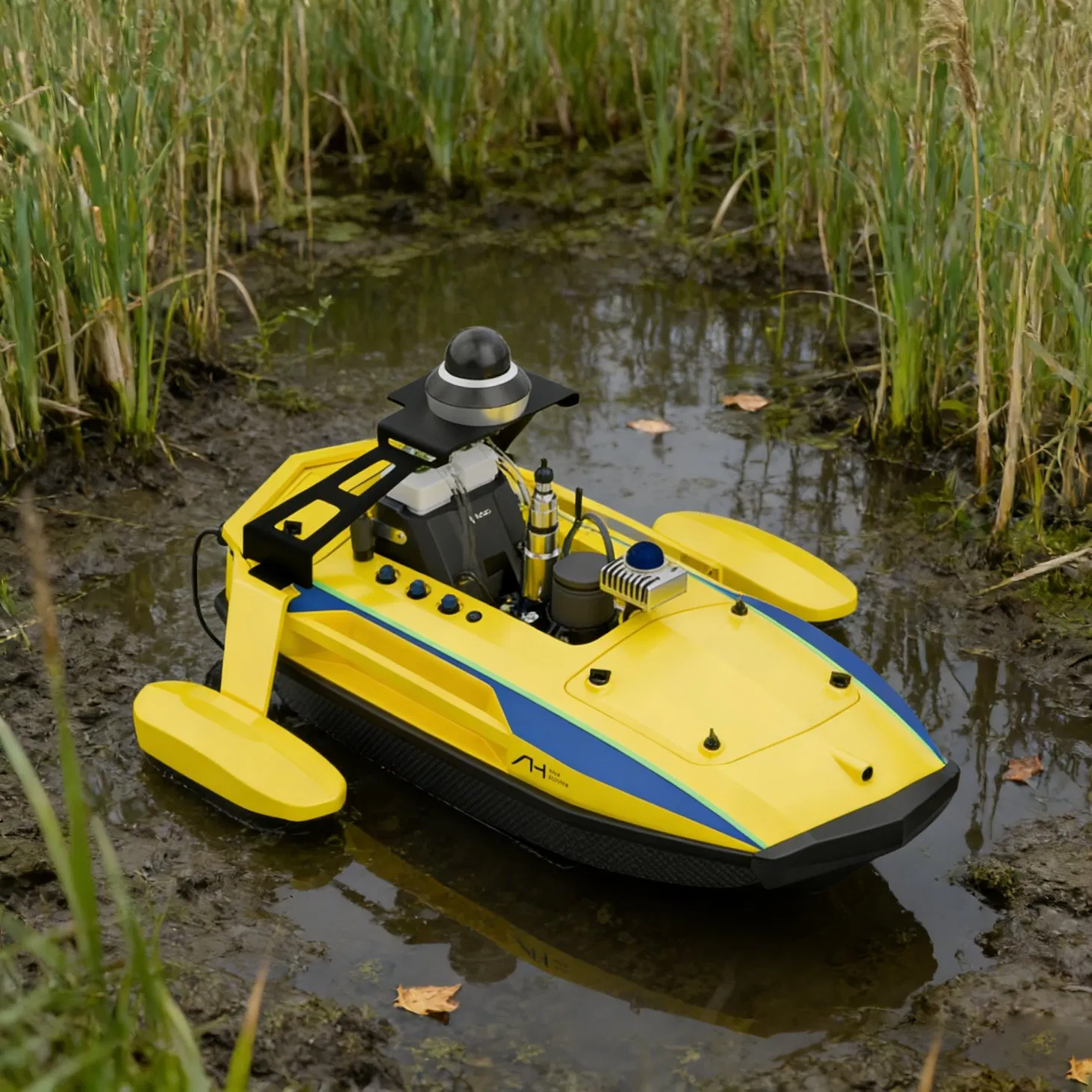
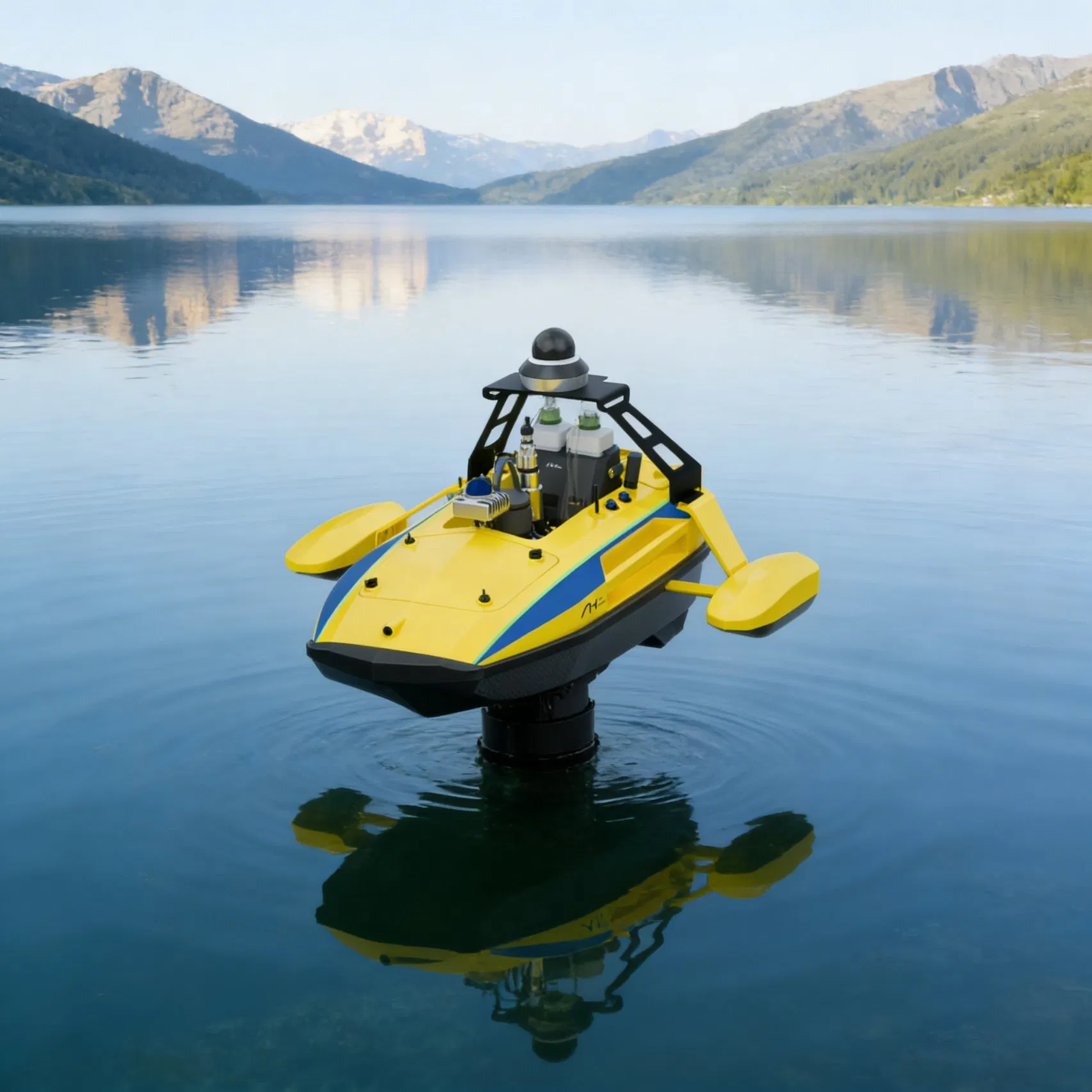
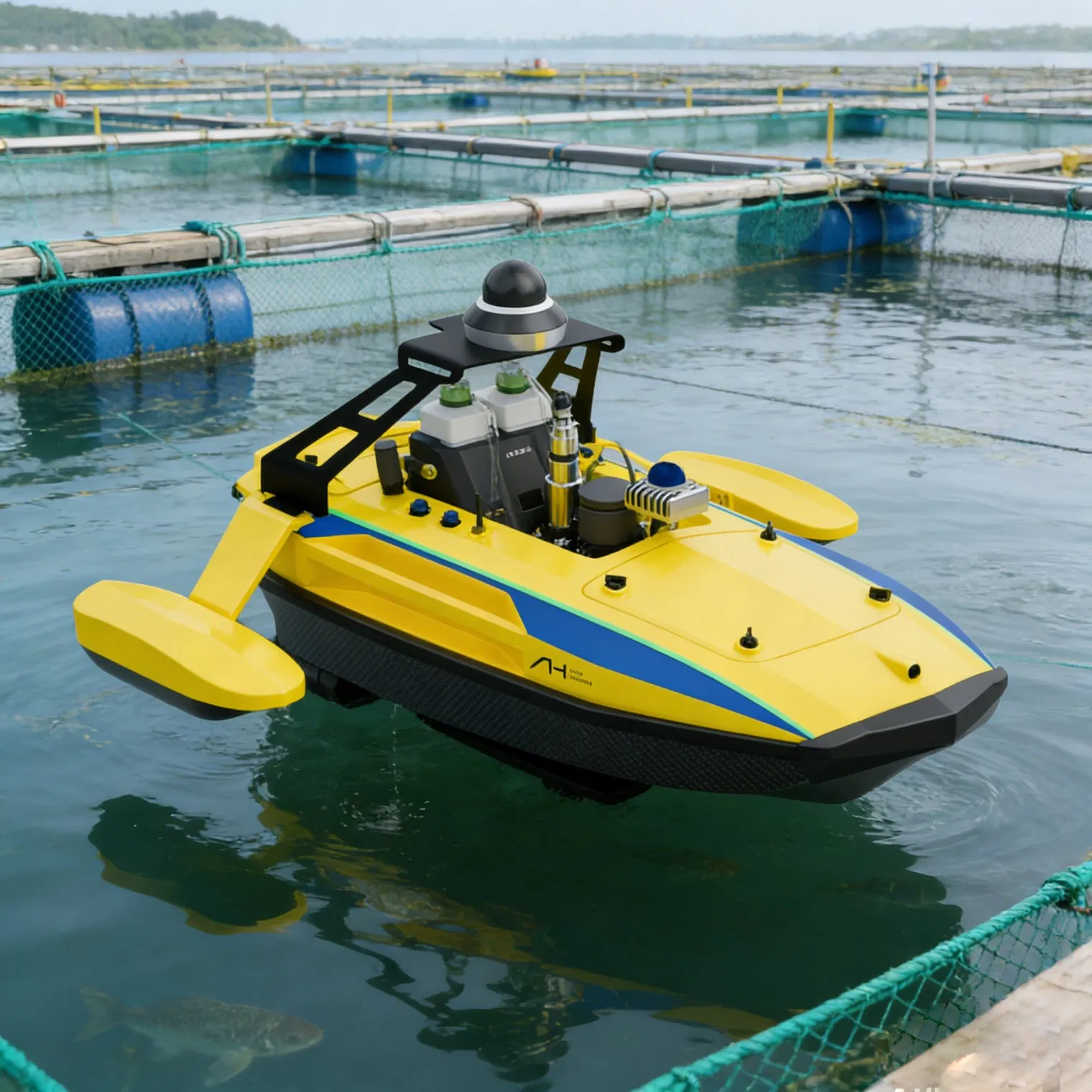
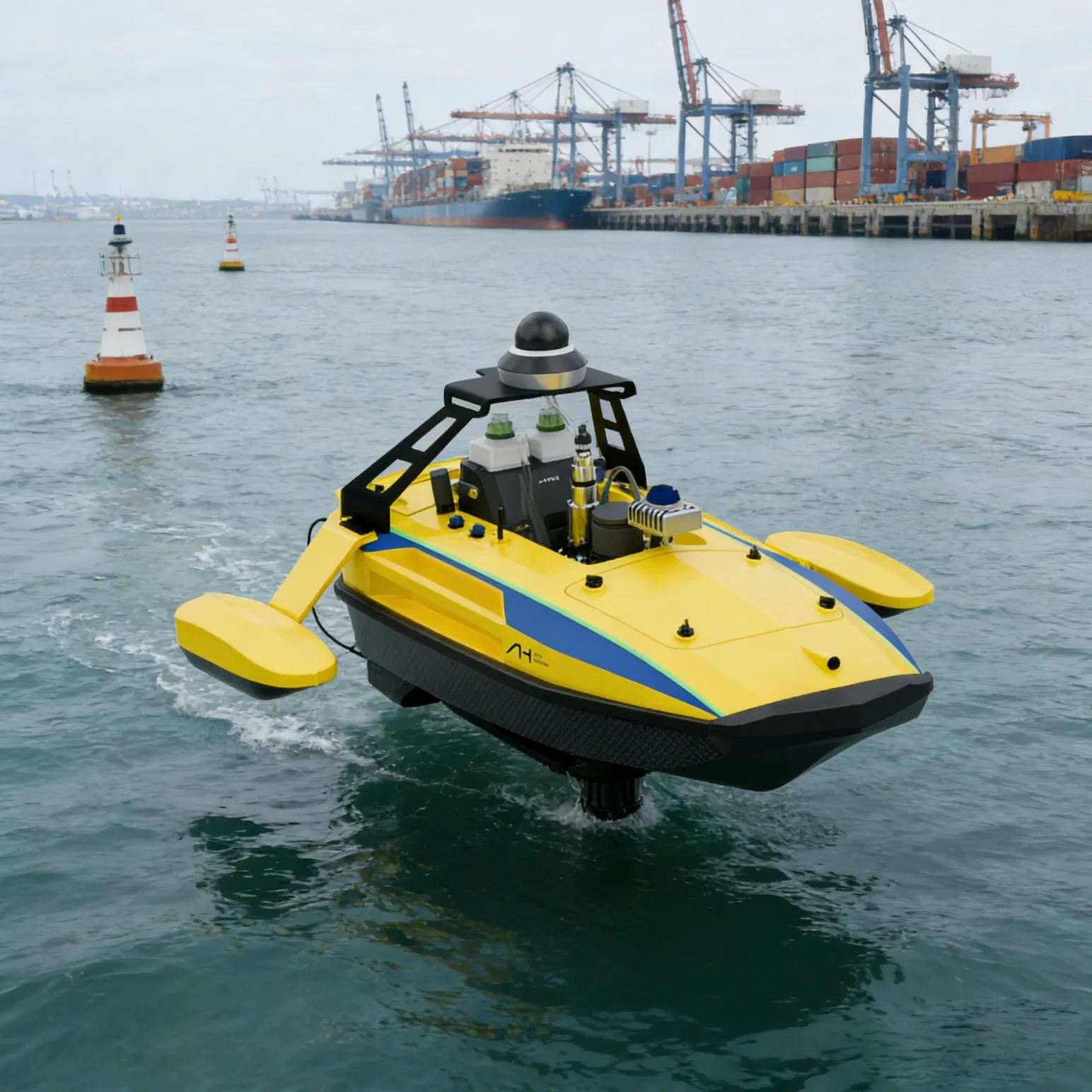
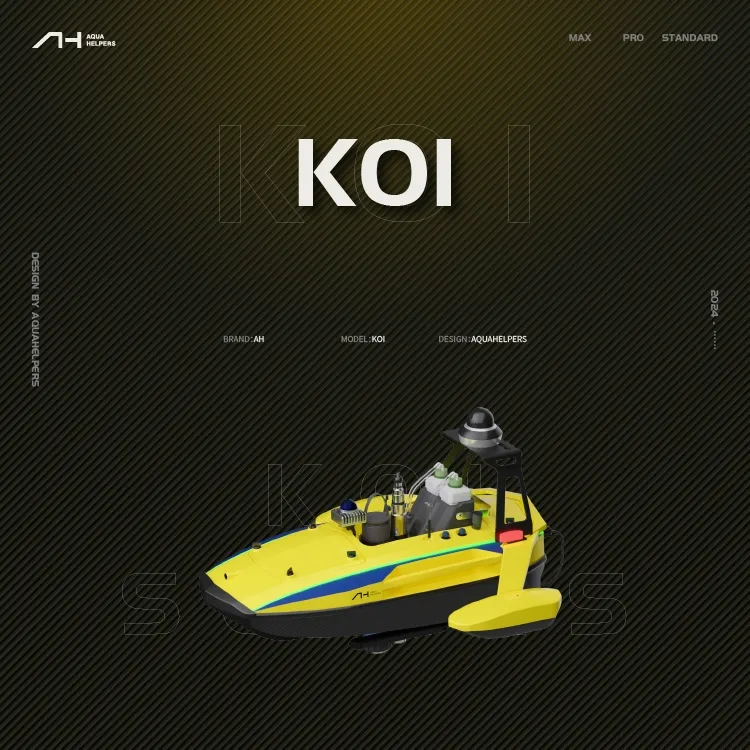
Lightweight Autonomous Usv for Educational and Research Use

Customization: Available
After-sales Service: Online Support, Spare Parts, Remote Training
Warranty: 1 Year

Product Description

📊 Basic Info.
Model NO.KOI SERIES
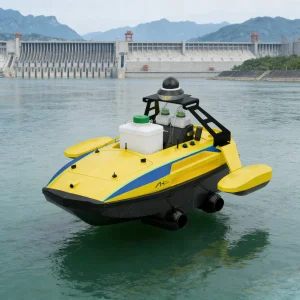
TypeUnmanned Surface Vehicle
Working ModeFully Automatic, Manual
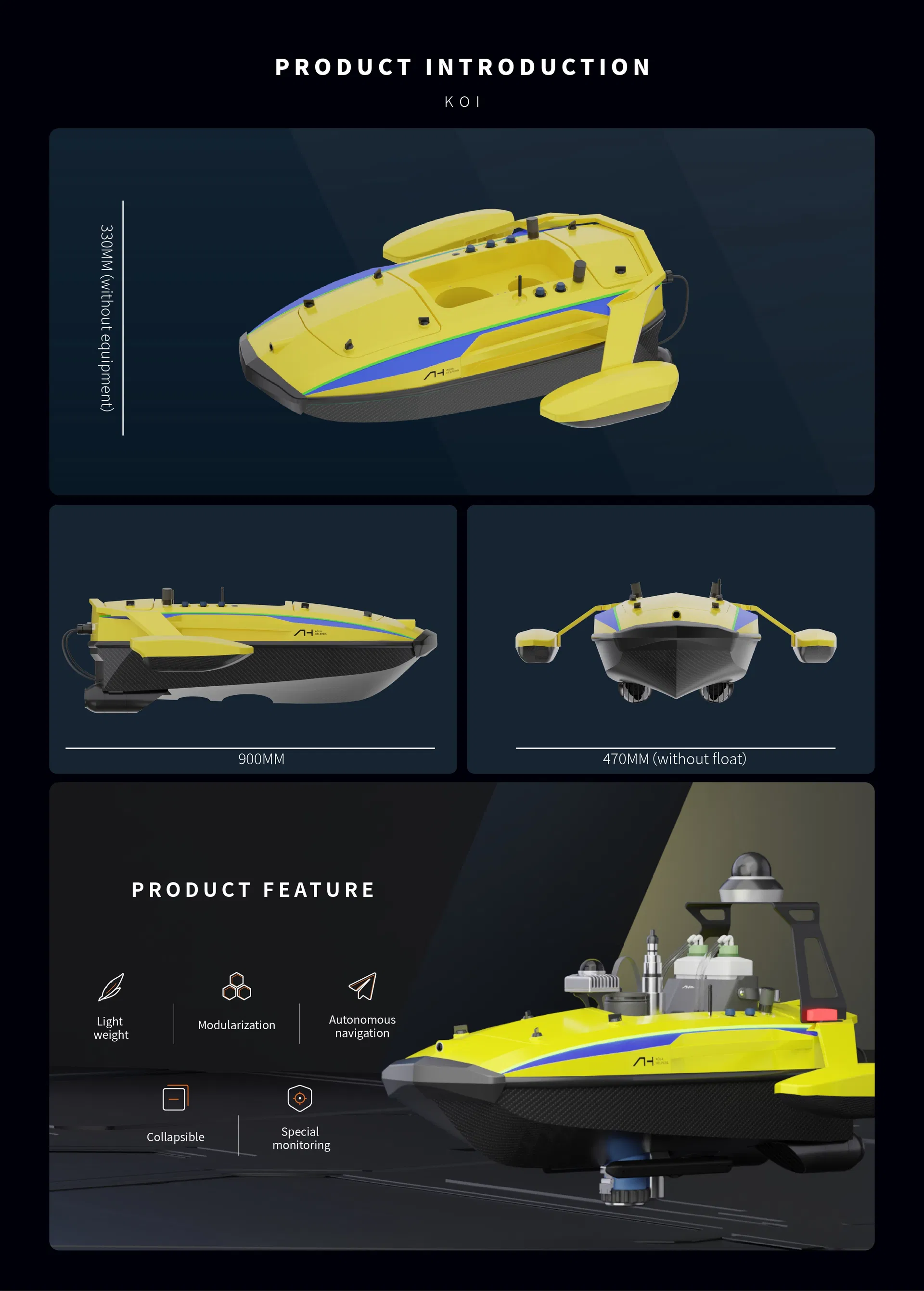
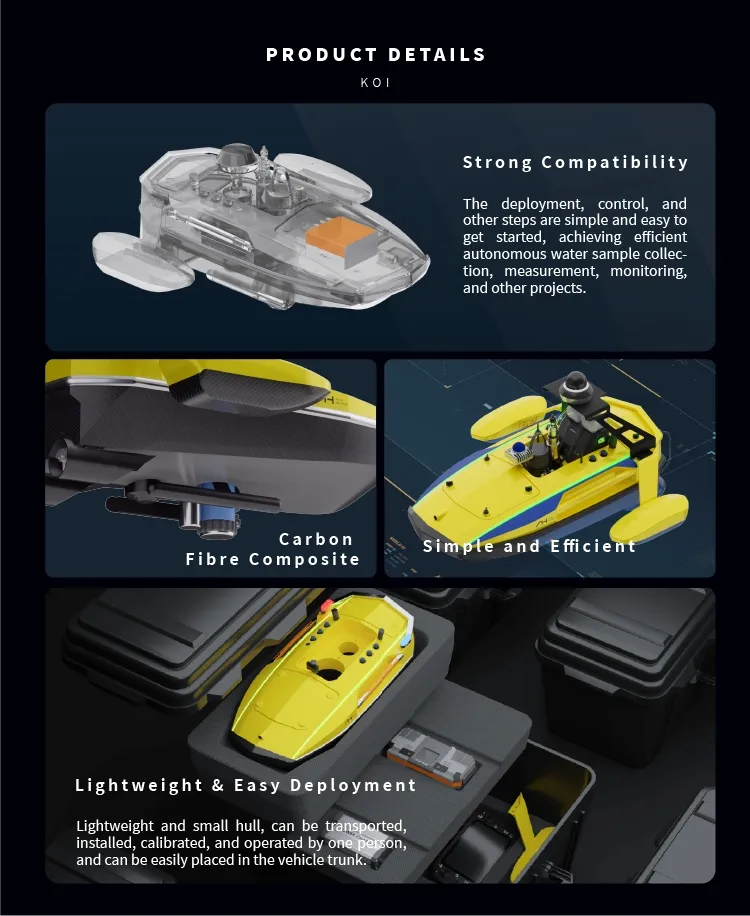
Hull MaterialNano Carbon Fiber Composite Material
Communication Mode4G, Digital Transmission
Wind & Wave ResistanceClass 3 Wind, 1 Meter Wave
Max Speed7m/s
Working Speed1.5m/s
Cruising Capacity3-5 Hours
Payload Capacity10-20KG
Waterproof RateIP65 Hull
Hull Weight12kg (including battery)
📷 Product Display
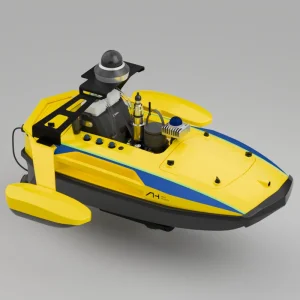
USV 1
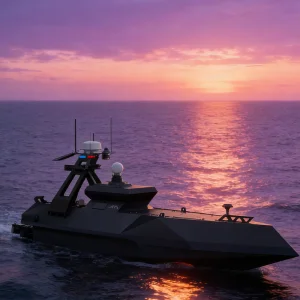
USV 2
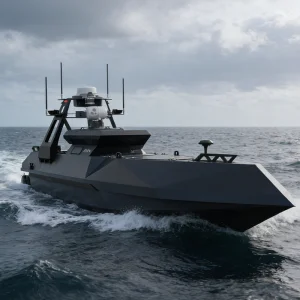
USV 3
🎬 Operational Video
📝 Product Description

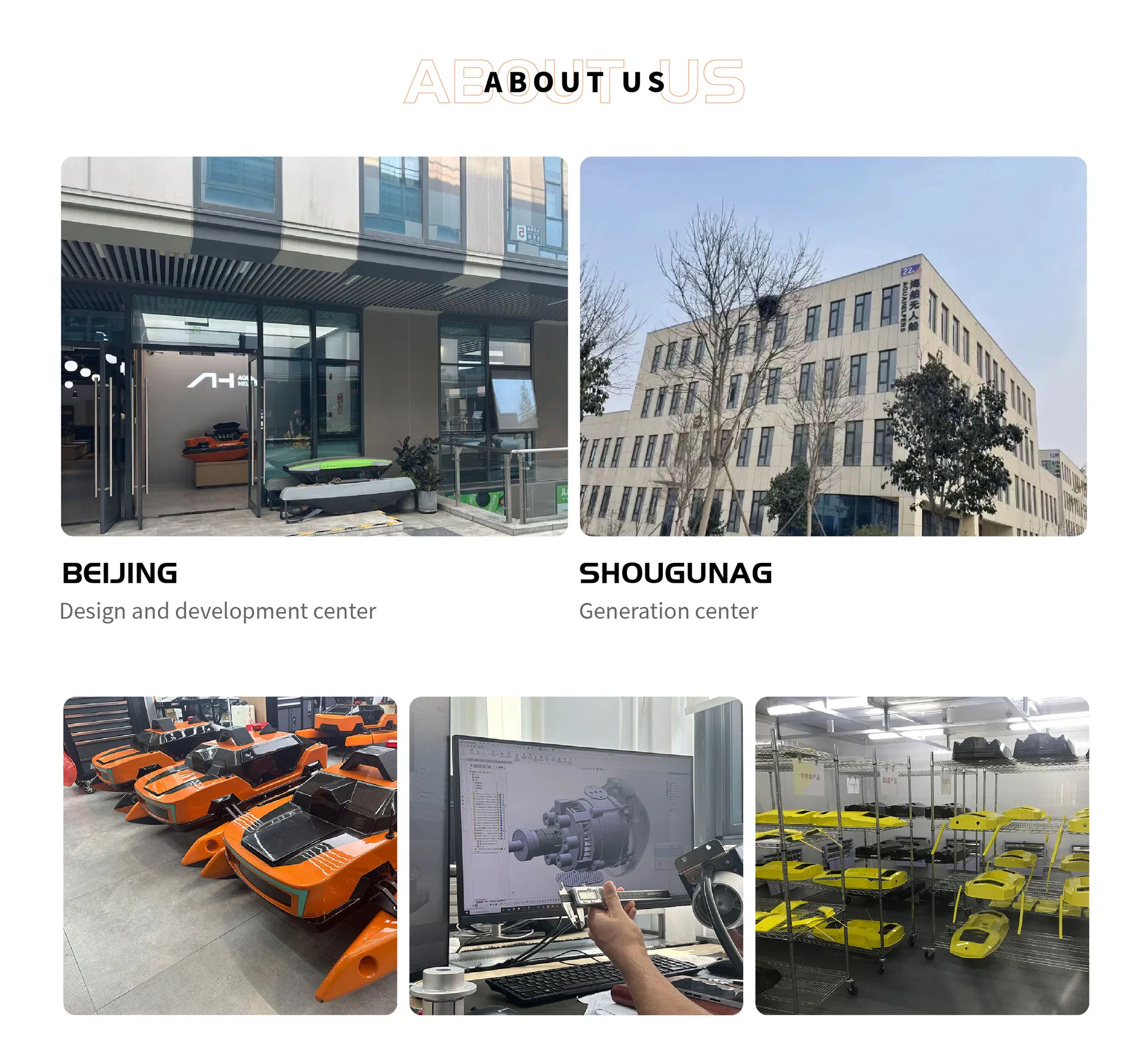
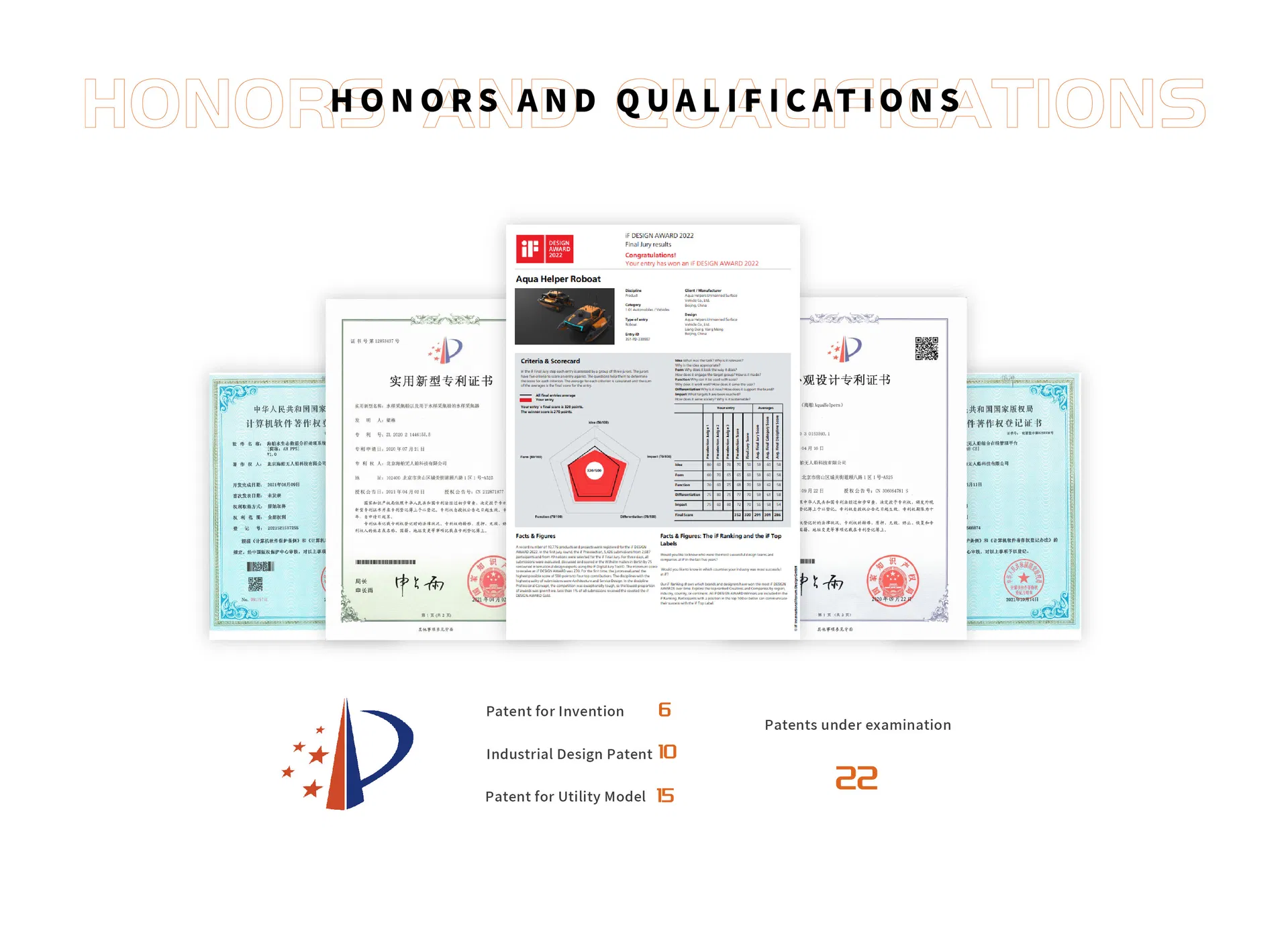
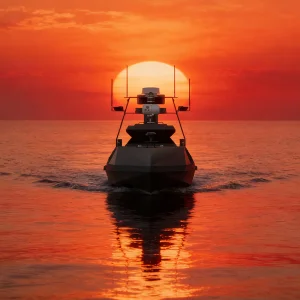
Specializing in intelligent unmanned surface vessels (USVs), we integrate AI, big data, and smart sensors to deliver autonomous water monitoring and data solutions. Our USV product lines—AquaScout, AquaSurvey, and AquaGuard—are widely used in environmental monitoring, hydrology, and security. With numerous deployments and multiple patents, these systems lead the future of intelligent water management.

📦 Packaging & Delivery
Package Size108.00cm * 58.00cm * 42.00cm
Gross Weight31.000kg
Transport PackageExport Wooden Case, Foam Protection
🏆 Certifications & Cooperation
Cert 1
Cert 2
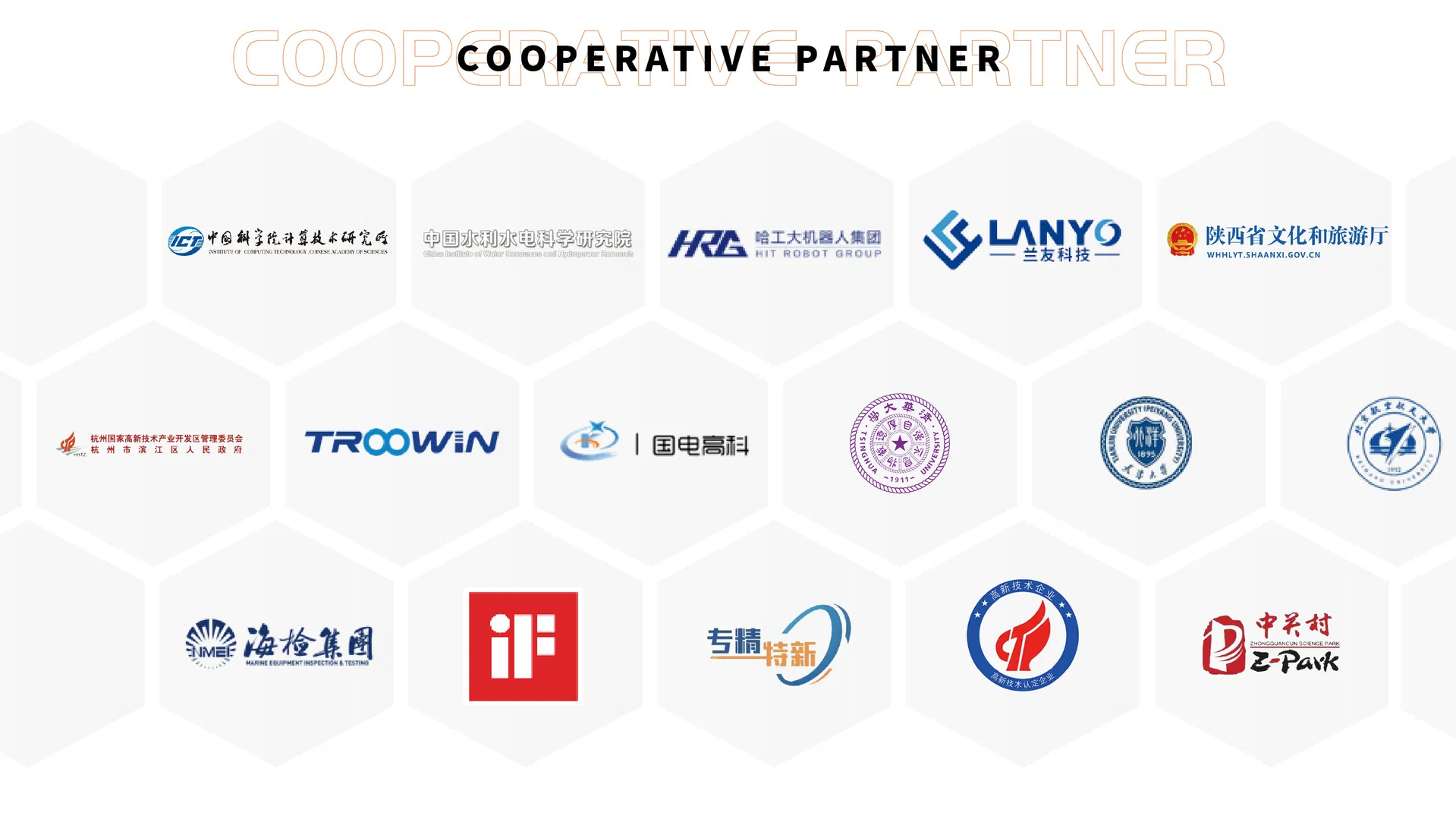
Partner
Frequently Asked Questions
1. What is a USV (Unmanned Surface Vessel)?
A USV is a remotely operated or autonomous boat designed to perform tasks on water without onboard crew. It is commonly used for environmental monitoring, hydrological surveys, and data collection.
2. What are the typical applications of your USVs?
Our USVs are used in water quality monitoring, hydrological mapping, port and reservoir inspections, river/lake patrol, and emergency response.
3. Can the USVs operate autonomously?
Yes. Our USVs feature GNSS positioning, obstacle avoidance, and route planning. Manual remote control is also available.
4. What water conditions are suitable for operation?
They are designed for inland rivers, lakes, reservoirs, ports, and coastal areas, resisting up to Class 3 wind and 1-meter waves.
5. How long can a USV operate on a single charge?
Typical runtime ranges from 3 to 5 hours depending on the model and mission requirements.
6. What data can the USVs collect?
They support multi-sensor integration for water quality (pH, DO), depth sounding, LiDAR, and high-definition cameras.

Related Products