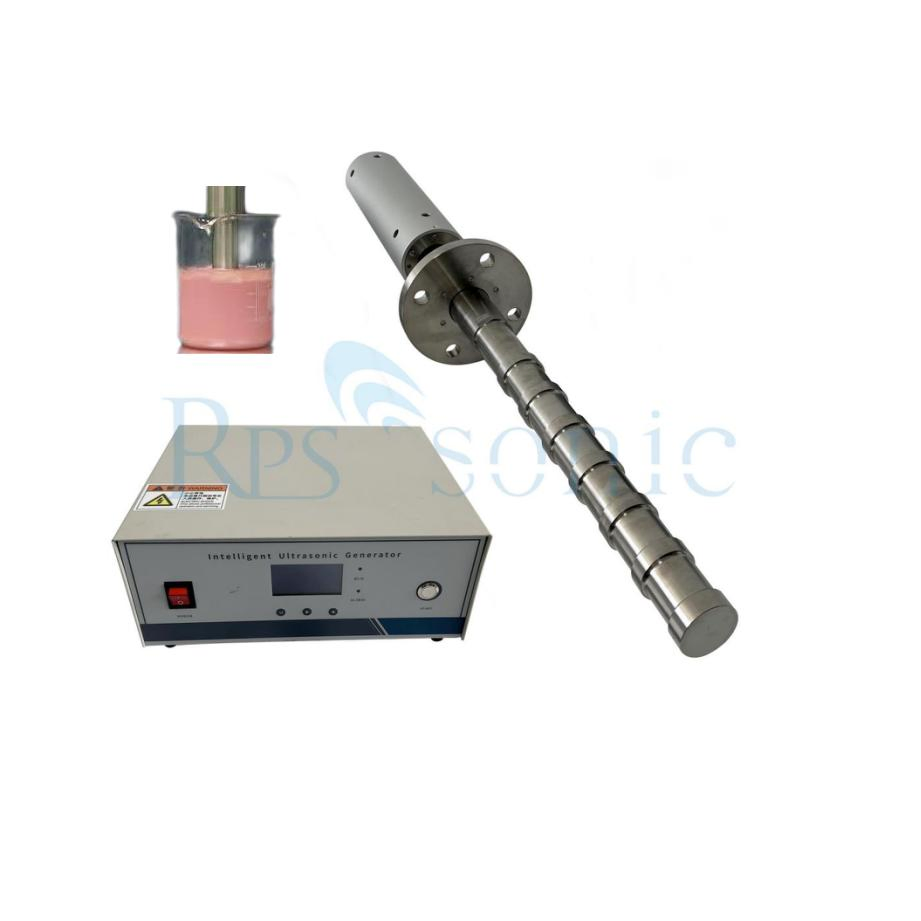
📋 Basic Info.
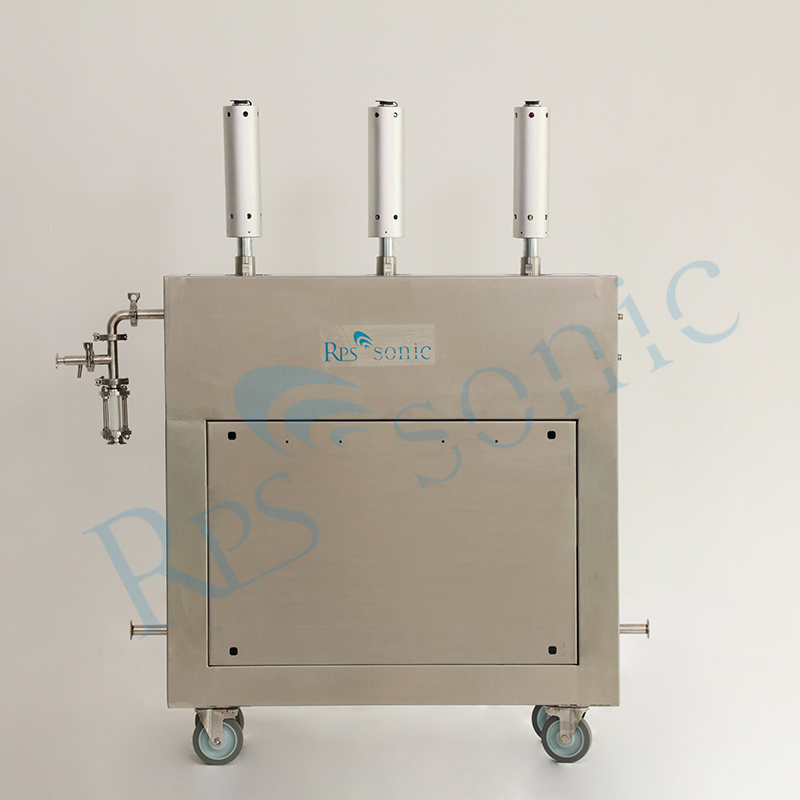
| Model NO. |
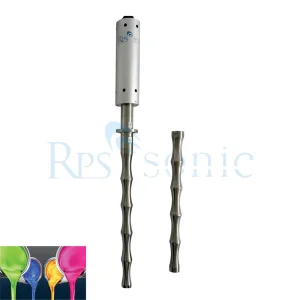
RPS-SONO20 |
| Application Area |
Agricultural Chemicals |
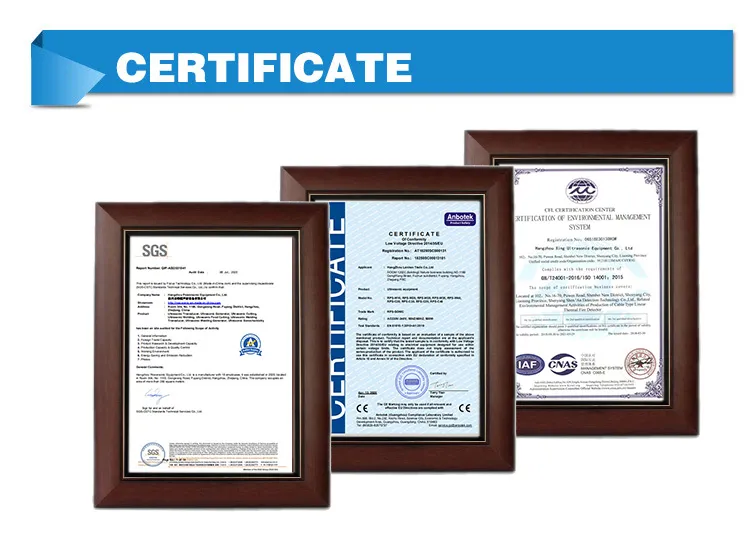
| Certification |
CE |
| Frequency |
20kHz |
| Horn Material |
Titanium Alloy |
| Capacity |
20 L/Min |
| Max Pressure |
35 MPa |
| Warranty |
1 Year |

🚀 Product Description
Introduction
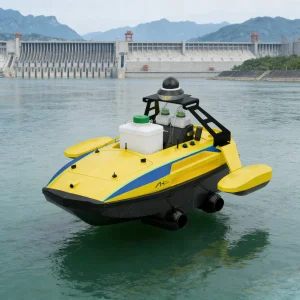
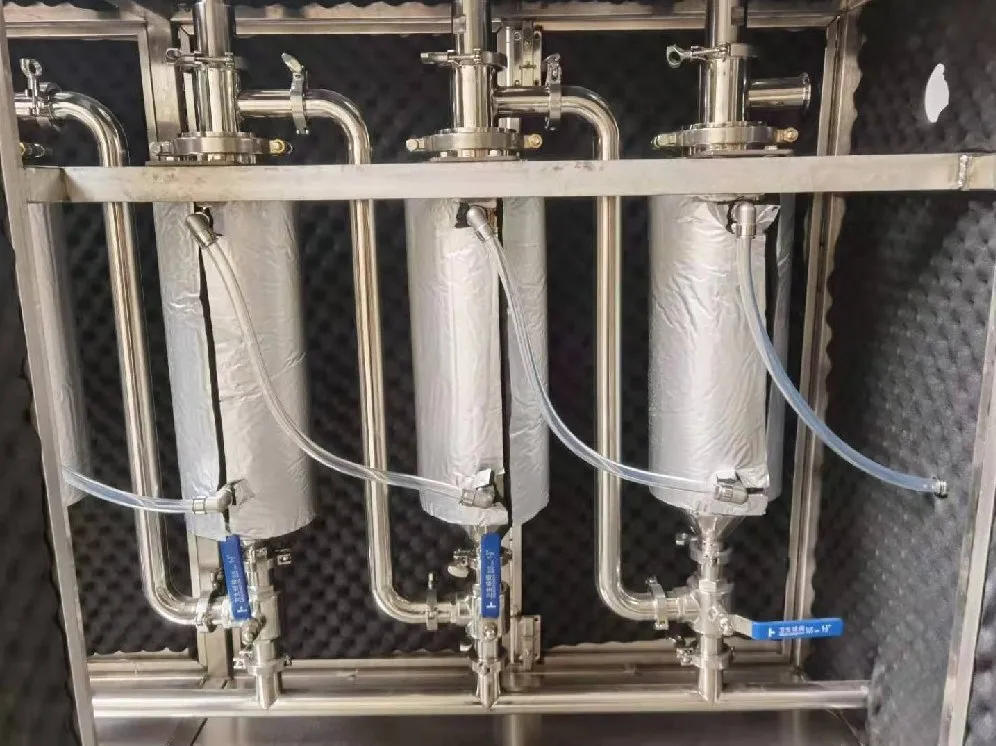
Ships play a huge role in international trade, but untreated ballast water can pollute local ecological environments and endanger biodiversity. Ultrasonic cavitation effect can effectively neutralize marine life, protecting both the ocean environment and facility safety. This technology offers a synergistic treatment effect with low energy consumption and no secondary pollution.
🔬 Technical Specifications
| Model |
Frequency |
Power |
Max Capacity |
Intensity |
| SONO20-1000 |
20±0.5 KHz |
1000 W |
10 L/Min |
20 W/cm² |
| SONO20-2000 |
20±0.5 KHz |
2000 W |
15 L/Min |
40 W/cm² |
| SONO20-3000 |
20±0.5 KHz |
3000 W |
20 L/Min |
60 W/cm² |
🌊 Marine Fouling Categories
- Soft Growths: Such as sponges and organic matter.
- Microorganisms: Bacteria and single-cell organisms like algae.
- Hard Animals: Barnacles and bivalve molluscs that cause local corrosion and pipe blockage.
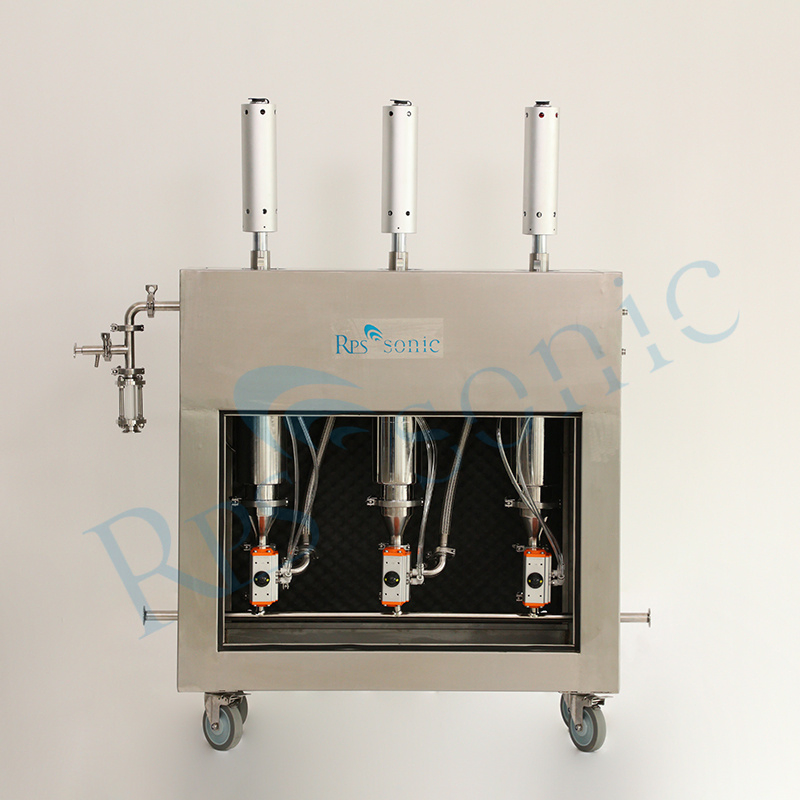
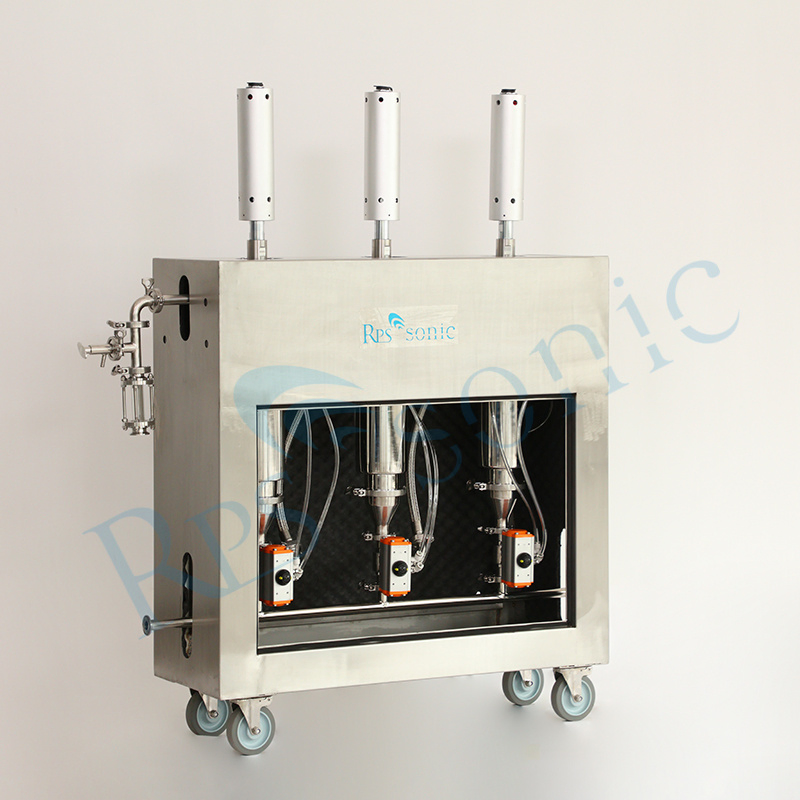
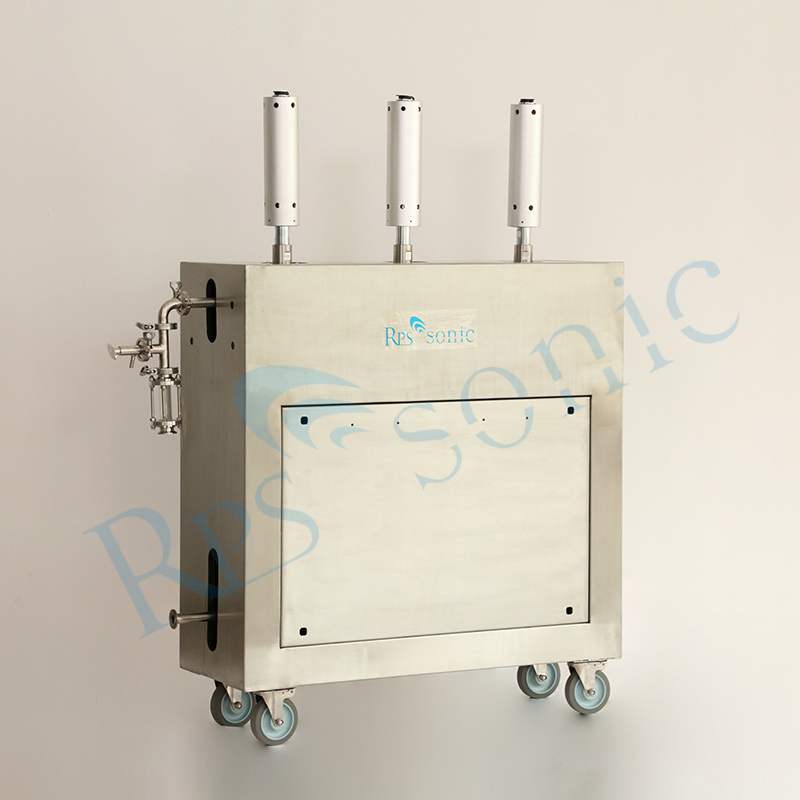
📸 Product Gallery
❓ Frequently Asked Questions
Q1: How does ultrasonic technology prevent marine fouling?
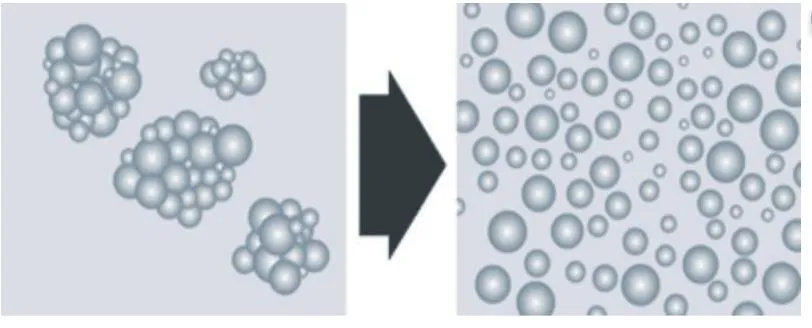
A: Ultrasonic cavitation creates high-temperature and high-pressure micro-bubbles that rupture, causing sea creatures to peel off surfaces and breaking their epidermal cells.
Q2: Can it be used for sewage treatment?
A: Yes, it can be combined with ozone, hydrogen peroxide, or UV light to degrade organic pollutants like phenol and trichloroacetic acid.
Q3: What is the benefit of using titanium alloy for the horn?
A: Titanium alloy offers superior corrosion resistance and durability, especially in harsh marine or chemical environments.
Q4: Does the process cause secondary pollution?
A: No, ultrasonic cavitation is an environmentally friendly physical process that does not generate secondary chemical pollutants.
Q5: What is the typical capacity of these units?
A: Depending on the model, capacity ranges from 10 L/Min to 20 L/Min for continuous operating types.