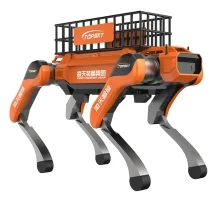
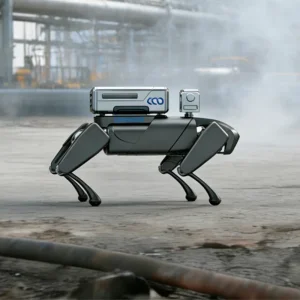
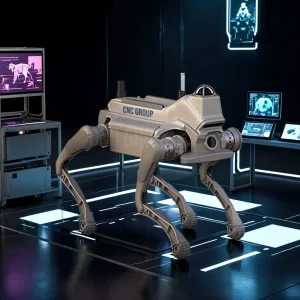
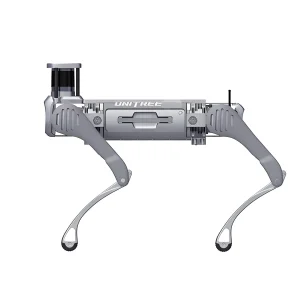
Engineered for immediate deployment in oilfields, pipeline systems, and high-security infrastructure within Equatorial Guinea
A strategic blueprint for integrating autonomous mobility into offshore energy, security patrol, and environmental management
As one of Central Africa's key energy producers, Equatorial Guinea (comprising Bioko Island, Rio Muni, and Annobón) is undergoing a structural transition towards economic diversification and technological modernization. Historically anchored by oil and gas operations around Malabo and Bata, the nation is actively modernizing its physical infrastructure, port terminals, and energy plants. In this context, manual inspection methods present high operating expenditures, prolonged downtimes, and significant occupational hazards.
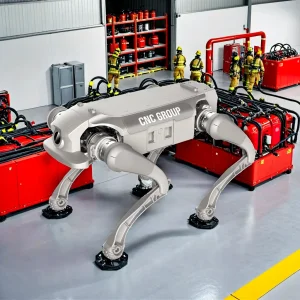
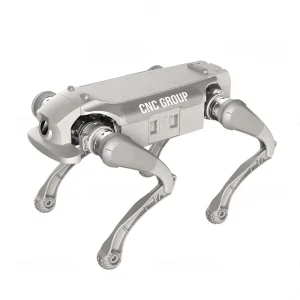
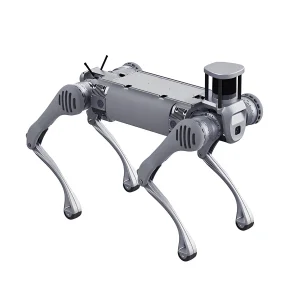
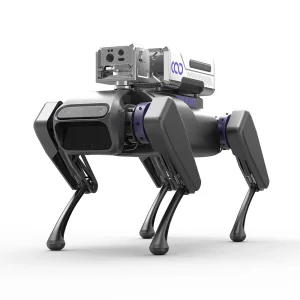
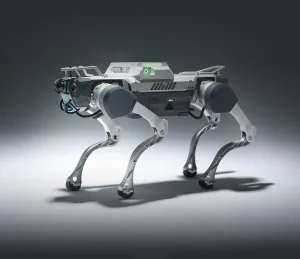
The introduction of AI-Powered Quadruped Robots addresses these critical operational vulnerabilities. By replacing or augmenting human patrols in hazardous zones, such as the Punta Europa gas complex or the deep offshore installations of the Zafiro field, autonomous quadrupedal platforms ensure 24/7 monitoring capabilities. These bionic units act as real-time, mobile data-gathering hubs, delivering continuous thermal imaging, gas leakage detection, and physical security parameters to centralized control centers in Malabo.
Key Insight: In high-salinity coastal environments and dense forest regions of Rio Muni, standard wheeled or tracked machinery fails due to slippage and chassis corrosion. Quadrupedal articulation offers the precise physical leverage required to navigate unstructured surfaces, sandy terrains, and metal grid platforms.
Equatorial Guinea features a tropical monsoon climate characterized by heavy rainfalls, high humidity levels (often exceeding 90%), and high ambient salinity. These factors represent a destructive combination for standard electronic devices. To deploy automation safely, local operators require robust, industrial-grade protection:
Hangzhou Excitech Technology Co., Ltd. (HKEX: 9880.HK) stands at the pinnacle of humanoid and quadrupedal robotics engineering. Our manufacturing centers in China provide unique competitive advantages for global exporters and African regional partners:
Consult with our lead deployment engineers today to custom-configure your quadruped fleet.
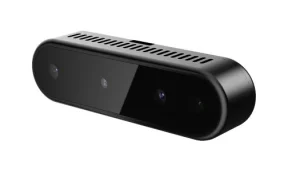
Send Inquiry NowHigh-precision auxiliary payloads, laboratory instrumentation, and spatial mapping sensors for Equatorial Guinea's scientific and industrial hubs
Pioneering the commercialization of full-stack humanoid and bionic robotic systems globally

Bringing intelligent robots into every family, and making everyday life more convenient and intelligent.

With intelligent robot as the carrier and AI technology as the core, we aim to build an intelligent eco-system with hardware, software, service and content all integrated together.

Creativity, Resilience, Collaboration, Straightforwardness
Established in March 2012, Hangzhou Excitech Technology Co., Ltd. is a leading humanoid robots and smart service robots company. On 29 December, 2023, we were listed on the main board of the Hong Kong Stock Exchange (stock code: 9880.HK), and have become the first humanoid robot company listed on Hong Kong Stock Exchange.
Dedicated to the mission of 'bringing intelligent robots into every family, and making everyday life more convenient and intelligent', we have developed a full stack of humanoid robotic technologies independently. Building on our full-stack technologies, Excitech has engaged in the research and development, design, smart production, and commercialization of smart service robots, and has developed smart robotic solutions that integrate with hardware, software, service and contents. These solutions span various industries such as AI education, smart logistics, smart elderly care, business and consumer service.
Excitech is among the few global leaders in full-stack humanoid robotics technologies. Our full-stack technologies are a holistic combination of industry-leading robotic technologies (robotic motion planning and control technology, and high performance servo actuators), our AI technologies (human-like brain function and cerebellum function), integrated robotic and AI technologies (SLAM and autonomous technology, visual servo operation and human-robot interaction), and Robot Operating System Application Framework (ROSA 2.0), our proprietary robotics application framework.
Essential technical information regarding importing, configuring, and maintaining bionic quadruped systems in Central Africa
Explore our full product lineup of educational kits, cloud robots, and hazardous area inspection systems
 Excitech Robot