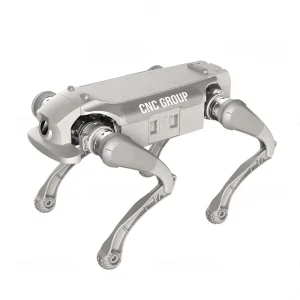
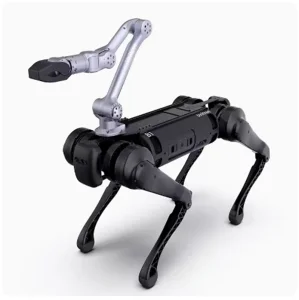
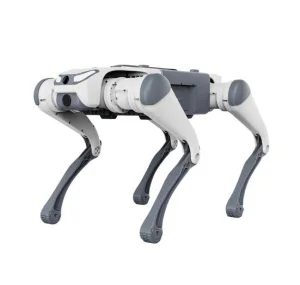
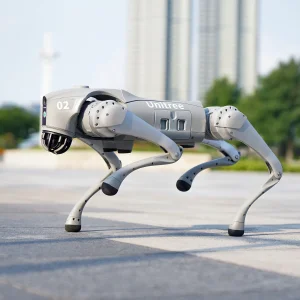
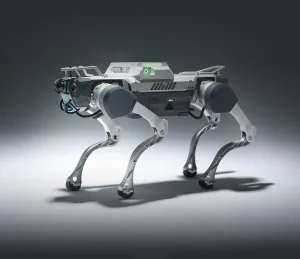
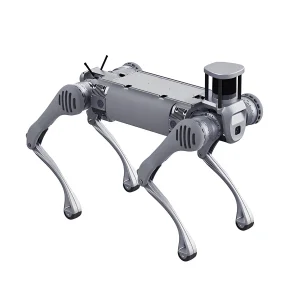
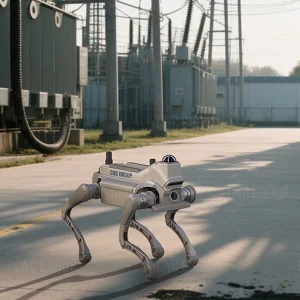
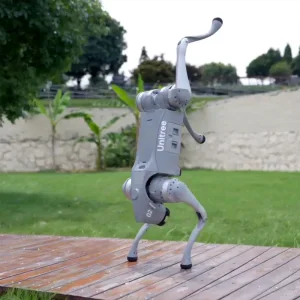
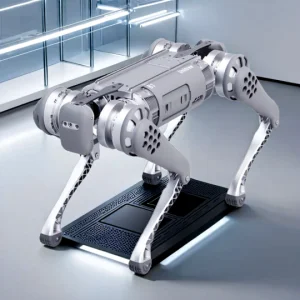
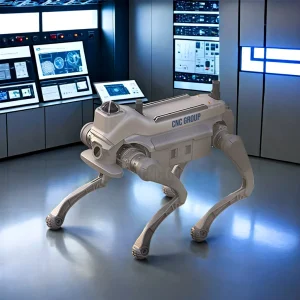
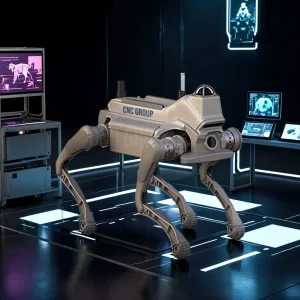
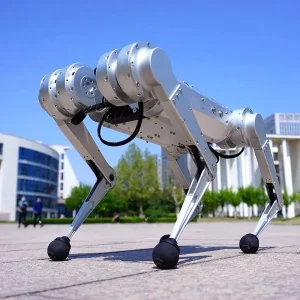
The global security and industrial monitoring landscape is undergoing a radical transformation. Traditional static CCTV systems and wheeled robots are being supplemented, or even replaced, by Surveillance Quadruped Robots. These "robot dogs" offer unparalleled mobility in complex environments—climbing stairs, navigating rocky terrain, and entering hazardous zones where human presence or traditional machinery is restricted.
As of 2024, the market for quadrupedal robots is projected to grow at a CAGR of over 25%, driven by the urgent need for 24/7 autonomous patrolling in critical infrastructure sectors such as oil and gas, power grids, and border security. Manufacturers are no longer just building hardware; they are creating AI-driven ecosystems capable of real-time threat detection, gas leak sensing, and thermal thermal analysis.
360-degree situational awareness with AI-powered anomaly detection.
Automated data collection in substations and manufacturing plants.
Modern surveillance quadruped robots are evolving beyond simple remote control. The top trends include Swarm Intelligence, where multiple robots coordinate to cover vast perimeters, and Multi-Modal Sensor Integration, combining LiDAR, thermal cameras, and acoustic sensors to create a comprehensive digital twin of the environment. Global enterprises are now demanding "Robot-as-a-Service" (RaaS) models, allowing them to integrate advanced bionic surveillance without massive upfront capital expenditure.
Global procurement teams in Europe, North America, and Southeast Asia are increasingly looking towards specialized quadruped robot manufacturers who can provide localized support and customized payloads. Whether it's a mining operation in Australia requiring explosion-proof certifications or a logistics hub in Germany needing high-speed autonomous patrolling, the demand for versatile bionic dogs is at an all-time high.
Monitoring machinery health via vibration and sound analysis.
Inspecting high-voltage equipment safely during peak loads.
Mapping progress and ensuring safety compliance after hours.
As a prominent Chinese manufacturer, Hangzhou Excitech Technology leverages the world's most robust robotics supply chain. Our advantages include:

Bringing intelligent robots into every family, and making everyday life more convenient and intelligent.

With intelligent robot as the carrier and AI technology as the core, we aim to build an intelligent eco-system with hardware, software, service and content all integrated together.

Creativity, Resilience, Collaboration, Straightforwardness
Established in March 2012, Hangzhou Excitech Technology Co., Ltd. is a leading humanoid robots and smart service robots company. On 29 December, 2023, we were listed on the main board of the Hong Kong Stock Exchange (stock code: 9880.HK), and have become the first humanoid robot company listed on Hong Kong Stock Exchange.
Dedicated to the mission of 'bringing intelligent robots into every family, and making everyday life more convenient and intelligent', we have developed a full stack of humanoid robotic technologies independently. Building on our full-stack technologies, Excitech has engaged in the research and development, design, smart production, and commercialization of smart service robots, and has developed smart robotic solutions that integrate with hardware, software, service and contents. These solutions span various industries such as AI education, smart logistics, smart elderly care, business and consumer service.
Excitech is among the few global leaders in full-stack humanoid robotics technologies. Our full-stack technologies are a holistic combination of industry-leading robotic technologies (robotic motion planning and control technology, and high performance servo actuators), our AI technologies (human-like brain function and cerebellum function), integrated robotic and AI technologies (SLAM and autonomous technology, visual servo operation and human-robot interaction), and Robot Operating System Application Framework (ROSA 2.0), our proprietary robotics application framework.
 Excitech Robot