The global landscape for Emergency Response Robots has transitioned from experimental military projects to essential industrial and civic infrastructure. In 2024, the demand for sophisticated bionic and quadruped robots has surged by over 35% annually. These machines are no longer just "remote-controlled toys"; they are autonomous agents capable of navigating debris, detecting hazardous gases, and providing real-time visual data in environments where human life is at extreme risk.
From the earthquake-prone regions of Asia to the industrial heartlands of Europe and North America, governments and private enterprises are investing billions into robotic search and rescue (SAR) technologies. The integration of 5G connectivity and AI-driven "brains" allows these robots to operate in swarms, mapping disaster zones with centimeter-level precision using LiDAR and thermal imaging.
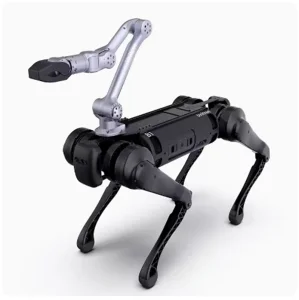
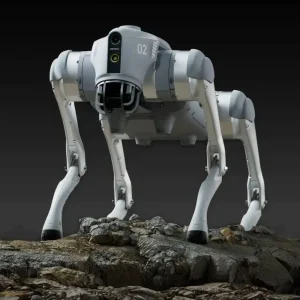
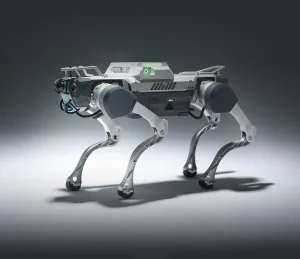
Robots like the Unitree B1 are designed to enter radioactive, chemically contaminated, or oxygen-deprived zones where humans cannot survive.
Using Simultaneous Localization and Mapping, these robots create 3D blueprints of collapsed structures in real-time for rescue teams.
Serving as mobile Wi-Fi hotspots and communication relays in disaster zones where traditional cell towers have failed.
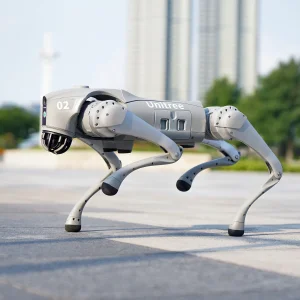
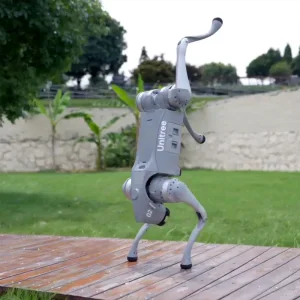
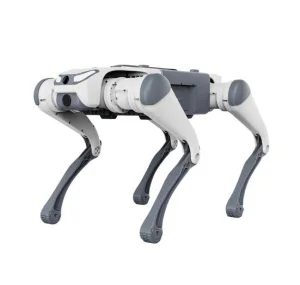
Traditional wheeled robots often fail on uneven rubble. The trend is shifting toward Quadruped (Robot Dogs) and Humanoid robots. Their ability to climb stairs, jump over obstacles, and maintain balance on slippery surfaces makes them the gold standard for emergency response.
Modern procurement requirements now specify "AI Large Model" compatibility. This allows robots to understand natural language commands from rescuers and identify "objects of interest" (like a human hand under rubble) using computer vision trained on millions of emergency scenarios.
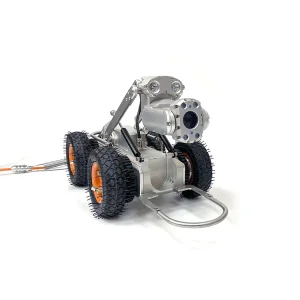
Utilizing IP68 Waterproof Wheeled CCTV robots to inspect blockages or leaks in aging urban infrastructure, preventing catastrophic pipe bursts.
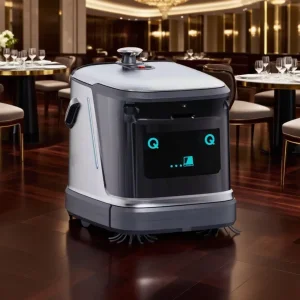
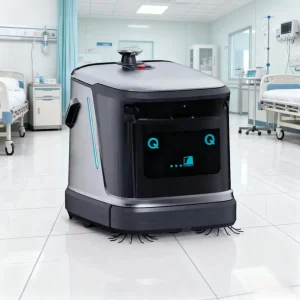
AI Indoor Cleaning Robots equipped with Lidar ensure sterile environments in hospitals, reducing the cross-contamination risk for staff during pandemics.
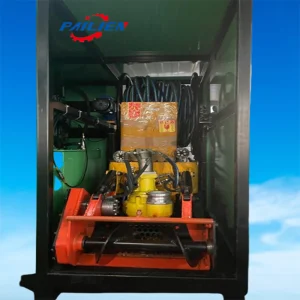
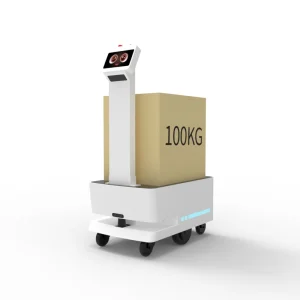
AMR (Autonomous Mobile Robots) like the Reeman 100kg transport hazardous materials within factories, keeping human workers at a safe distance.
As a leading manufacturer based in Hangzhou, China, we offer unparalleled advantages in the robotics supply chain. China's ecosystem allows for rapid prototyping, integrated AI development, and significant cost efficiencies without compromising on industrial-grade quality.

Bringing intelligent robots into every family, and making everyday life more convenient and intelligent.

With intelligent robot as the carrier and AI technology as the core, we aim to build an intelligent eco-system with hardware, software, service and content all integrated together.
Established in March 2012, Hangzhou Excitech Technology Co., Ltd. is a leading humanoid robots and smart service robots company. On 29 December, 2023, we were listed on the main board of the Hong Kong Stock Exchange (stock code: 9880.HK), becoming the first humanoid robot company listed on the HKEX.
Dedicated to our mission, we have developed a full stack of humanoid robotic technologies independently. Excitech has engaged in the research and development, design, smart production, and commercialization of smart service robots. These solutions span various industries such as AI education, smart logistics, smart elderly care, business and consumer service.
Excitech is among the few global leaders in full-stack humanoid robotics technologies. Our technologies are a holistic combination of robotic motion planning, high-performance servo actuators, AI brain functions, and our proprietary Robot Operating System Application Framework (ROSA 2.0).
 Excitech Robot