The global robotics landscape is undergoing a paradigm shift driven by the fusion of Embodied AI (Artificial Intelligence), high-density actuators, and tactile environmental awareness. As enterprises face growing labor deficits, volatile supply chains, and demanding climate targets, the deployment of intelligent robotics is no longer a tool for optimization—it is an existential growth driver. Today's global procurement officers look beyond basic automation; they search for holistic systems capable of dynamic decision-making, long endurance, and high precision under harsh operational environments.
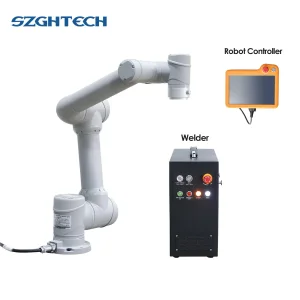
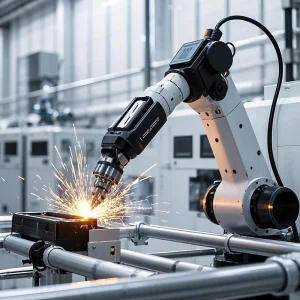
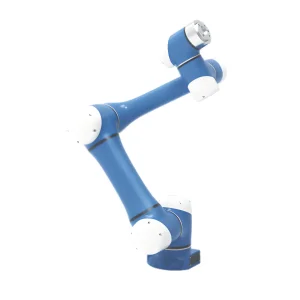
From quadrupeds traversing hazardous oil fields to micro-precision collaborative robot arms (Cobots) working alongside skilled assemblers, the criteria for selecting a robotics supplier has evolved. A premier supplier must present not only structural reliability but also deep software competency, scalable APIs, and robust sensor-fusion architectures. This industry whitepaper details the core advantages of specialized robotics manufacturing, analyzing the global industry shifts, macro-level application frameworks, and procurement directives driving modern robotic acquisitions.
China has established itself as the global powerhouse of robotics innovation, driven by high-density manufacturing clusters, deep supply chain integration, and concentrated engineering talent. Cities like Shenzhen and Hangzhou have developed advanced ecosystems where raw silicon, high-precision gearboxes, brushless motors, and optical sensors are manufactured in close geographical proximity. This concentration offers distinct operational benefits to global clients:
Modern robotics are moving away from pre-programmed trajectories towards neural network-based decision systems. By integrating Large Behavior Models (LBMs), robots can interpret unmapped terrains and respond dynamically to chaotic scenarios, such as moving obstacles or sudden visual obstructions.
The synchronization of RGB-D cameras, Time-of-Flight (ToF) sensors, and solid-state LiDAR units allows robots to build millimeter-accurate 3D maps in real-time. This dynamic fusion minimizes blind spots and ensures high navigation safety, crucial for hospital and public environments.
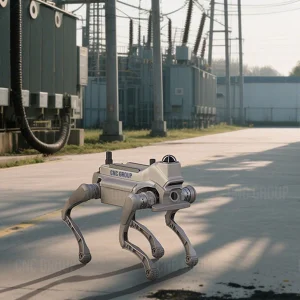
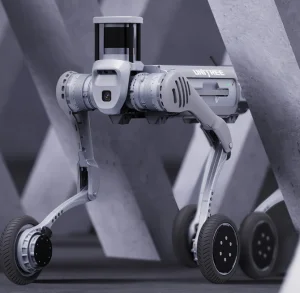
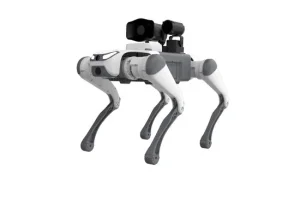
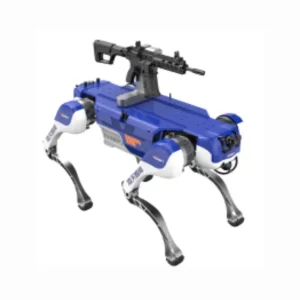
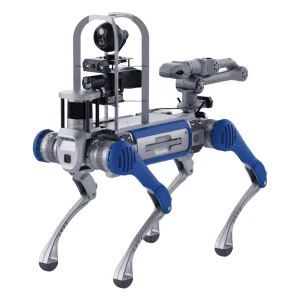
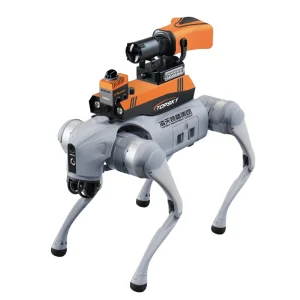
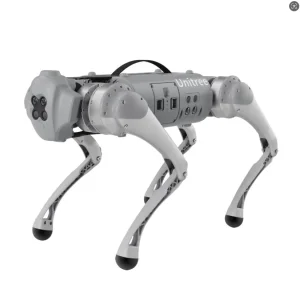
Bionic quadruped dogs and humanoid robots are replacing traditional wheeled systems in uneven terrains. Enhanced motion control and dynamic balancing algorithms permit traversal over rubble, stairs, mud, and industrial grating with high payloads.
To successfully integrate robotics, enterprises must adopt holistic macro-industry solutions. These platforms combine custom-engineered hardware with optimized software to address distinct operational demands:
Procuring industrial and commercial robotic systems demands careful analysis of technical and logistical metrics. To ensure high return on investment (ROI) and minimize operational risk, procurement directors should focus on three critical dimensions:
Ensure that the robotic arm or mobile platform has sufficient payload capacity, structural durability, and ingress protection (IP) ratings suitable for its environment. For example, robots deployed in chemical plants or outdoor campus distribution must possess IP66 or IP67 ratings to withstand dust and heavy rain. Additionally, standard interfaces, such as EtherCAT communication protocols and standardized end-effector mounts, simplify integration with existing production systems.
Hardware without flexible software integration creates isolated silos. Advanced systems built on open operating systems, like the Robot Operating System (ROS 2) or proprietary frameworks like ROSA 2.0, allow internal engineering teams to deploy custom navigation scripts, integrate vision algorithms, and sync device diagnostics directly with corporate ERP and warehouse management platforms.
Total cost of ownership (TCO) includes initial capital expenditure, continuous energy use, and preventive maintenance. Ensure your supplier provides clear Mean Time Between Failures (MTBF) ratings, modular replacement parts, and Service Level Agreements (SLAs) that guarantee prompt remote troubleshooting and component dispatch to minimize downtime.
Established in March 2012, Hangzhou Excitech Technology Co., Ltd. is a leading humanoid robots and smart service robots company. On 29 December, 2023, we were listed on the main board of the Hong Kong Stock Exchange (stock code: 9880.HK), and have become the first humanoid robot company listed on Hong Kong Stock Exchange.
Dedicated to the mission of "bringing intelligent robots into every family, and making everyday life more convenient and intelligent", we have developed a full stack of humanoid robotic technologies independently. Building on our full-stack technologies, Excitech has engaged in the research and development, design, smart production, and commercialization of smart service robots, and has developed smart robotic solutions that integrate with hardware, software, service and contents. These solutions span various industries such as AI education, smart logistics, smart elderly care, business and consumer service.
Excitech is among the few global leaders in full-stack humanoid robotics technologies. Our full-stack technologies are a holistic combination of industry-leading robotic technologies (robotic motion planning and control technology, and high performance servo actuators), our AI technologies (human-like brain function and cerebellum function), integrated robotic and AI technologies (SLAM and autonomous technology, visual servo operation and human-robot interaction), and Robot Operating System Application Framework (ROSA 2.0), our proprietary robotics application framework.

Bringing intelligent robots into every family, and making everyday life more convenient and intelligent.

With intelligent robot as the carrier and AI technology as the core, we aim to build an intelligent eco-system with hardware, software, service and content all integrated together.

Creativity, Resilience, Collaboration, Straightforwardness
We leverage our listing status (9880.HK) to continuously invest in basic research, pioneering advancements in bipedal locomotion, reinforcement learning for robotics, and industrial-grade safety certified electronics.

 Excitech Robot