In the world of robotics, quadruped robots stand out for their versatility and mobility. These machines can navigate various terrains, making them valuable in fields like search and rescue, agriculture, and surveillance. However, a crucial question arises: "Why do quadruped robots need regular maintenance?"
The answer lies in the complexity of their design. These robots consist of multiple components that work together. Each joint and actuator requires attention to ensure optimal performance. Neglecting maintenance can lead to unforeseen issues, affecting their functionality. Routine check-ups can prevent minor wear and tear from escalating into major failures. Moreover, regular maintenance fosters longevity, ensuring these investments remain reliable.
Understanding the necessity of maintenance can be challenging. Some might overlook the importance, thinking that these robots are automated. Yet, like any machine, quadruped robots demand care and vigilance. By prioritizing maintenance, operators enhance safety and efficiency. The time spent on upkeep often saves trouble later on, showcasing the need for a proactive approach in robotics care.
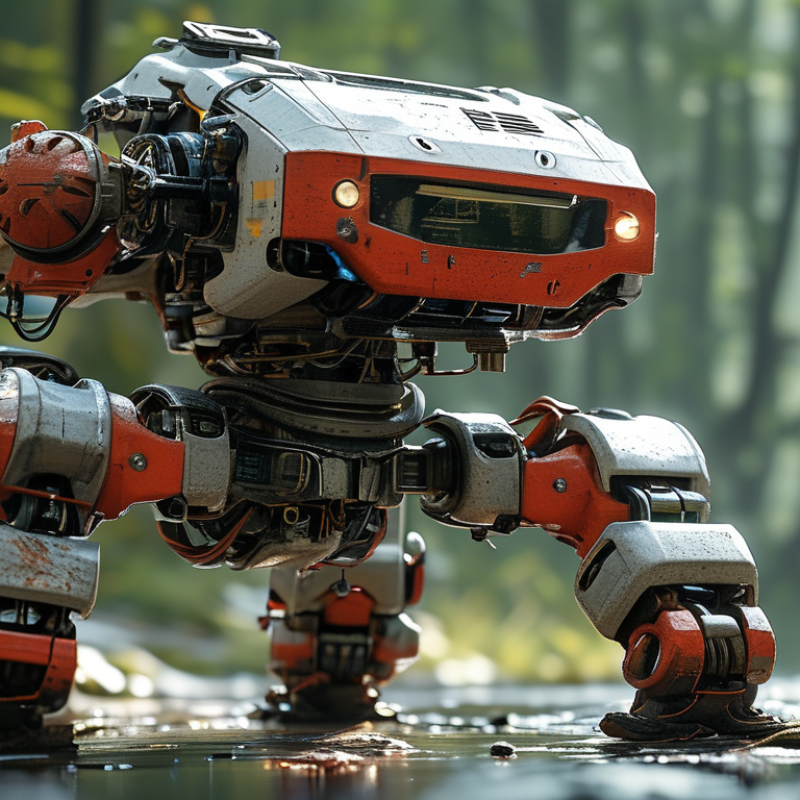
Routine maintenance is crucial for the optimal performance of quadruped robots. Regular checks can significantly enhance their lifespan. According to a study by the International Journal of Robotics Research, robots that undergo routine maintenance show 30% fewer breakdowns. Neglecting this aspect can lead to unexpected failures.
One major area of concern is the motors. They experience wear and tear, which can lead to performance issues. If ignored, these issues may escalate, resulting in costly repairs. Regularly inspecting the motors can help detect problems early on.
Tips: Schedule monthly inspections. Identify wear levels on joints. Monitor battery health continuously.
Another key component that requires attention is the software. Software glitches can impact the robot’s functionality significantly. According to Forbes Insights, 40% of robotic failures stem from software issues. Keeping the software updated ensures smooth operation.
Tips: Update firmware regularly. Test different modes frequently. Ensure data backups are in place.
Investing time in regular maintenance checks creates a reliable and high-performing quadruped robot. Not prioritizing these checks could lead to missed opportunities in efficiency and performance advancements.
Quadruped robots serve various applications, from search and rescue to research. Regular maintenance is crucial for their performance and longevity. Wear and tear affect critical components like motors, sensors, and batteries. A study by the International Journal of Robotics Research indicates that minor issues can escalate into major failures if not addressed promptly.
For instance, joints and actuators experience significant stress during operation. Suboptimal lubrication can increase friction, potentially leading to mechanical failures. Research shows that 30% of robotic malfunctions stem from improperly maintained moving parts. Sensors can drift or malfunction due to environmental factors. Regular calibration is essential; a 10% deviation can lead to navigation errors.
Inspection of battery systems is equally vital. Degradation over time can reduce efficiency and impact operation. A report from IEEE highlights that a 20% decrease in battery capacity can shorten active duty cycles. This data emphasizes the need for proactive maintenance to avoid system failures. Neglecting basic upkeep might result in costly repairs or replacements. Robust preventive measures can mitigate long-term damage and enhance operational reliability.
This chart illustrates the frequency of maintenance required for various components of quadruped robots, highlighting the importance of regular upkeep to ensure optimal performance and longevity.
Regular maintenance is crucial for quadruped robots. These machines are engineered to perform in challenging environments. Preventive maintenance can significantly enhance their longevity and efficiency. Research indicates that robots capable of adapting to wear and tear show a 30% improvement in operational lifespan.
Routine checks help identify minor issues before they escalate. For example, a small crack in a leg joint could eventually lead to system failure. According to industry data, neglecting maintenance can reduce a robot's functional capabilities by up to 40%. Regular inspections and timely part replacements can mitigate these risks effectively.
Moreover, advanced sensors and diagnostic tools can predict potential failures. Implementing a structured maintenance schedule creates substantial benefits. Reports suggest that companies investing in preventive maintenance see a return of 10 to 20 times their investment over time. However, many users still overlook these essential practices, leading to unplanned downtimes. Balancing preventive measures with real-world operating conditions is vital for maximizing robot performance.
Environmental factors play a significant role in the maintenance needs of quadruped robots. These robots often operate in dynamically and unpredictable conditions. For instance, exposure to extreme temperatures can impact their electronic systems. Studies show that temperature fluctuations can reduce battery life by up to 30%. Dust and moisture are also common culprits. They can lead to system failures if not addressed promptly.
Regular maintenance practices help mitigate these risks. Keeping sensors and joints clean is crucial. A report from the Robotics Industry Association indicates that 70% of robot failures are due to environmental influences. This highlights the need for routine inspections and prompt corrective actions.
Another aspect to consider is wear and tear from varied terrains. Quadruped robots traverse rocky paths or muddy areas. These environments create additional strain on their mechanical components. Implementing a comprehensive maintenance schedule can help identify potential issues before they escalate. Regular check-ups can extend the robot's lifespan and enhance overall performance. The integration of these practices is vital in ensuring the reliability and efficiency of quadruped robots.
Regular maintenance for quadruped robots plays a crucial role in cost efficiency. These robots function in demanding environments, requiring precise operations and durability. Routine checks can prevent severe issues, which often lead to expensive repairs. By investing time in regular inspections, users can identify wear and tear early, mitigating further damage.
Ignoring maintenance can be costly. Malfunctioning parts can halt productivity, leading to lost revenue. In some cases, the entire robot may require replacement instead of just minor repairs. Additionally, operating a malfunctioning robot can lead to safety concerns, increasing liability costs. A proactive maintenance approach safeguards against these risks.
Regular maintenance also extends the lifespan of quadruped robots. With proper care, these machines can operate efficiently for longer periods. Users must reflect on their maintenance routines to ensure optimal performance. The balance between cost and efficiency is vital for long-term success. Continuous evaluation of maintenance strategies can uncover areas for improvement. Adjustments may lead to better performance and lower total costs.
: Regular maintenance enhances performance and longevity, preventing minor issues from escalating into major failures.
Improperly maintained moving parts account for 30% of malfunctions. Poor lubrication increases friction and stress.
Extreme temperatures can reduce battery life by 30%. Dust and moisture also contribute to system failures.
A 10% deviation in sensor accuracy can lead to significant navigation errors. Regular calibration is crucial.
Regular checks and replacements can enhance operational lifespan by up to 30%. It prevents major breakdowns.
Neglect can lead to reduced functional capabilities of up to 40%. Costs for repairs may also increase.
Cleaning sensors and joints prevents failures. Environmental factors are responsible for 70% of robot issues.
Structured maintenance can yield returns of 10 to 20 times the investment. It helps avoid unplanned downtimes.
Traversing rocky or muddy paths adds strain on components. A comprehensive maintenance schedule helps identify potential issues.
Many users overlook regular maintenance, leading to performance loss and unexpected failures. Balancing upkeep is crucial.
Regular maintenance is essential for quadruped robots, as highlighted in the article "Top 10 Reasons Why Quadruped Robots Need Regular Maintenance." One key aspect is the importance of routine checks to ensure optimal performance. These checks help identify potential issues before they escalate, thereby enhancing the effectiveness and longevity of the robot. Additionally, understanding wear and tear in components is crucial in addressing maintenance needs and preventing unexpected breakdowns.
Preventive maintenance plays a significant role in extending the lifespan of quadruped robots, while environmental factors such as temperature, humidity, and terrain can impact their maintenance requirements. Regular upkeep not only promotes better functionality but also proves to be cost-efficient in the long run. Ultimately, understanding "why do quadruped robots need regular maintenance" helps stakeholders appreciate the value of consistent care in maximizing their operational capabilities.

Excitech Robot