Quadruped robots are moving beyond controlled demonstrations into construction sites, warehouses, mines, farms, and emergency inspections. Their four-legged design improves mobility, but it also exposes joints, cameras, batteries, and foot sensors to dust, water, impacts, and unstable ground. A single loose cable can stop a robot beside a steel staircase.
The International Federation of Robotics reported 541,302 industrial robot installations worldwide in 2023. This figure does not represent quadruped robots specifically, yet it shows how quickly robotic systems are entering operational environments. The wider deployment becomes, the more expensive preventable damage can become. Boston Dynamics founder Marc Raibert has described capable machines as “agile, robust, dexterous, and intelligent.” Robustness must include recovery after a fall, not only impressive movement during a test.
This guide explores How to protect quadruped robots from damage through practical controls, including terrain mapping, impact-aware speed limits, sealed connectors, thermal monitoring, battery discipline, and scheduled inspections. These measures sound basic. They are often neglected.
NIST’s AI Risk Management Framework encourages representative testing, documented risks, and continuous monitoring. The same logic applies to robotic hardware. Test on wet concrete, loose gravel, narrow ramps, and dusty floors. Record every abnormal vibration and unexpected shutdown. A clean laboratory can create false confidence.
No checklist is complete. Weather changes. Operators make mistakes. Protective covers can trap heat, while stronger materials can increase weight. Effective protection therefore requires trade-offs, evidence, and regular revision. The following ten tips connect engineering practice with field experience, helping teams reduce damage before a small defect becomes an expensive recovery operation.
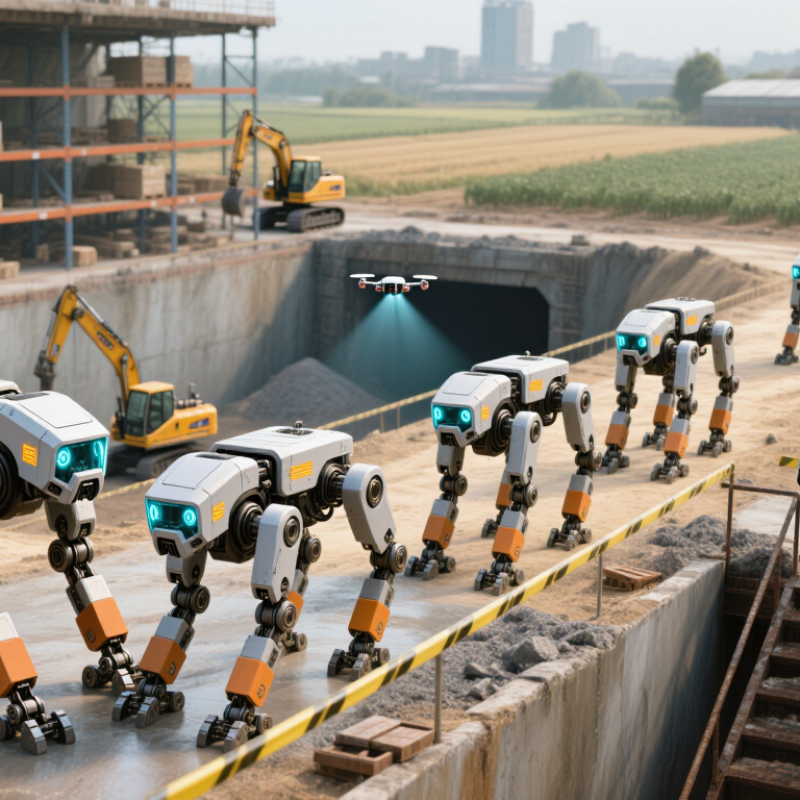
Identify Common Damage Risks in Quadruped Robot Operation
10 Tips to Protect Quadruped Robots from Damage?
Quadruped robots face risks that ordinary wheeled platforms often avoid. Uneven floors, loose gravel, wet grass, and narrow stairs can overload joints or destabilize the body. Mud is deceptive. It can enter seals, coolers, and actuator gaps. The International Federation of Robotics reported 541,302 industrial robots installed worldwide in 2023. This growth increases the need for disciplined mobile-robot maintenance, although the figure does not represent quadruped damage rates. ISO 12100 recommends identifying hazards before operation, not after failure.
Tip 1: Map the route.
Tip 2: Mark sharp edges, drains, and unstable surfaces.
Tip 3: Set speed limits near obstacles.
Tip 4: Inspect foot pads after every outdoor mission.
Tip 5: Check joint temperatures during repeated climbs.
Tip 6: Clean grit before it reaches moving seals.
Tip 7: Keep battery compartments dry and securely closed.
The U.S. Bureau of Labor Statistics recorded about 2.6 million nonfatal workplace injuries in private industry during 2023. That broader figure shows why human traffic, tools, and rushed maintenance deserve attention around robots.
Tip 8: Use a visible exclusion zone.
Tip 9: Store the robot on a level, dry surface.
Tip 10: Log impacts, unusual sounds, and calibration drift.
Small cracks spread. A damaged foot may look harmless but alter gait balance. Teams should compare inspection notes with manufacturer-neutral service limits and applicable safety standards. A checklist helps, but it is not perfect. Operators may overlook damage after a successful mission, especially when the robot still walks. That assumption needs challenging.
Stop testing when the robot shows repeated slips, rising actuator heat, or unexpected posture changes.
Inspect the Robot Before Each Deployment
A quadruped robot can look ready while hiding serious damage. Inspect it before every deployment, even after a short indoor test. Begin with the frame, checking for fresh cracks, bent panels, loose fasteners, or unusual gaps. Wipe away dust and moisture around joints, covers, and cooling openings. Small debris can become an expensive failure.
Check each leg by moving it slowly through its normal range. Listen for grinding, clicking, or uneven resistance. Examine motors, gears, cables, and protective seals for wear. Press each foot pad and confirm that it is secure. Inspect cameras, depth sensors, and other detection equipment for scratches, dirt, or condensation. Clean lenses with suitable materials, not a shirt sleeve. Test the battery connector, charge level, and housing for swelling or heat. Verify that the emergency stop works before the robot moves.
Review the latest diagnostic logs and confirm that position readings remain stable. Confirm the software configuration, payload, and operating area match the planned task. Uneven ground, water, loose gravel, and narrow passages deserve extra attention. I once treated a minor cable bend as cosmetic; it later caused intermittent movement. That mistake was avoidable. Do not rely only on automated alerts. Walk around the robot, observe it closely, and record anything unusual, including changes that seem too small to matter. A second inspection helps.
10 Tips to Protect Quadruped Robots from Damage: Inspect Before Each Deployment
Recommended time allocation for a practical 15-minute pre-deployment inspection
A structured inspection helps identify loose fasteners, damaged cables, low battery levels, blocked sensors, worn foot surfaces, and communication faults before they cause failures. Prioritize mechanical joints and power systems because they directly affect stability, movement, and safe operation.
Use Safe Movement and Obstacle-Clearing Procedures
Protecting a quadruped robot starts before its feet move.
I inspect the route for wet patches, loose gravel, cables, sharp edges, and hidden steps. I also check joint covers, foot pads, battery status, and sensor lenses. A clean sensor view matters. The operator should select a slow walking mode and keep the robot’s body low on uneven ground. Sudden turns can overload a supporting leg.
The robot should stop a safe distance from every obstacle.
It must measure the obstacle’s height, width, slope, and stability before moving closer. Never push an unknown object with full force. Clear small, loose items only when the robot’s rated limits allow it. Use a trained spotter near blind corners, narrow passages, and fragile surfaces. Keep people outside the robot’s movement zone. A remote stop device should remain ready during every test.
I have seen teams focus on forward progress and overlook floor damage beneath the robot.
That mistake is costly. Place protective mats over delicate surfaces when appropriate, and reduce speed near door thresholds. If a foot slips, stop instead of correcting aggressively. Log the surface, load, speed, and failure point after each trial. One of our early tests used an obstacle that looked stable but shifted under pressure. We should have tested it by hand first. Small doubts deserve a pause.
Conclusion
How to protect quadruped robots from damage begins with understanding the risks they face during operation, including falls, collisions, water, dust, overheating, loose terrain, and excessive loads. Before every deployment, inspect the robot’s legs, joints, fasteners, cables, batteries, sensors, and protective covers. Confirm that all moving parts operate smoothly and that the robot’s software, power system, and emergency stop functions are ready for use.
During movement, select routes carefully, reduce speed near obstacles, and avoid forcing the robot through spaces or over surfaces beyond its limits. Clear hazards safely instead of allowing the robot to push or climb unstable objects. Protect sensitive components from impacts, moisture, dirt, and extreme temperatures. After use, clean the robot with suitable methods, check for unusual noise or damage, recharge and store the battery correctly, and keep the robot in a dry, secure environment. Promptly repair small issues and follow a regular maintenance schedule to prevent minor problems from becoming costly failures.
 Excitech Robot
