Quadruped robots have generated significant interest in recent years. Many industries are exploring their potential applications. As technology evolves, costs are decreasing. Research from MarketsandMarkets indicates that the global robotics market is projected to grow from $62.75 billion in 2020 to $189.36 billion by 2027. This growth reflects a shift toward more affordable robotics solutions.
Why are quadruped robots becoming more affordable? Key factors include advancements in manufacturing processes and economies of scale. For example, improvements in 3D printing have lowered production costs. The rise of open-source software has democratized access to robotics design, encouraging innovation. A report by McKinsey highlights that about 50% of companies in various sectors are adopting robotics to enhance efficiency.
However, challenges persist. Not every company has the resources to invest in these robots. Skills gaps remain in certain regions. As companies strive for cost-effectiveness, they must also address these issues. The transition may lead to uneven benefits across sectors. Understanding these dynamics is crucial for predicting the future of quadruped robotics.
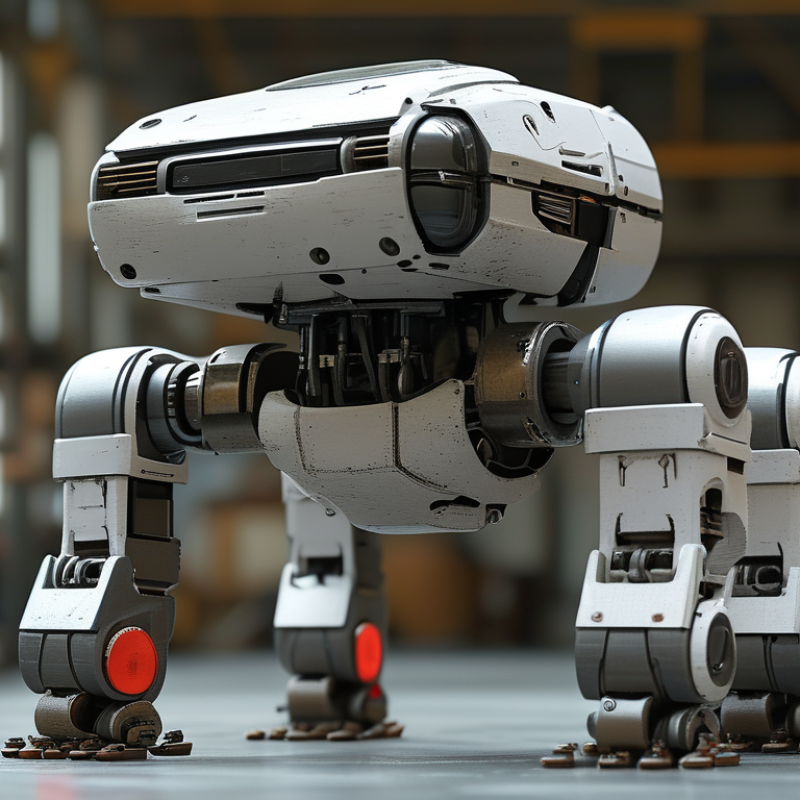
The evolution of quadruped robot technology has led to a remarkable decrease in costs. Early prototypes were expensive to develop and maintain. Advanced robotics used to require specialized materials and extensive testing. Now, open-source software and affordable components have changed the game.
Today, more companies and researchers focus on making quadruped robots practical for various applications. Innovations in sensors and AI algorithms enable better navigation and stability. As a result, even small startups can now create functional robot designs.
Tip: Explore online forums to learn from other enthusiasts. Engage with communities to share ideas and improvements.
Despite these advancements, challenges remain. Many quadruped robots still struggle in rough terrains. Improvement in battery life is essential for longer working durations. Developers must continue to innovate and refine their approaches.
Tip: Consider participating in local robotics workshops. Hands-on experience can enhance your skills and understanding.
Ultimately, these breakthroughs represent a significant stride in technology, making quadruped robots more accessible. However, ongoing research and collaboration will be vital in overcoming existing obstacles.
The recent decrease in manufacturing costs for quadruped robots is reshaping the field of robotics. As technology advances, production methods become more efficient. Automation in assembly lines is one key factor. This reduces labor costs significantly. Cheaper materials are also being discovered, which further lowers expenses.
New software solutions optimize design processes. Engineers can now create prototypes faster and with less waste. Additionally, open-source platforms have emerged. They enable developers to share knowledge and resources, which drives innovation. This collaborative environment fosters creativity, yet it sometimes leads to inconsistencies in quality.
Economies of scale play a crucial role too. As demand for quadruped robots grows, manufacturers can produce them in larger quantities. This reduced per-unit cost benefits consumers. However, it raises questions about sustainability and ethical sourcing. As the market expands, balancing affordability with responsible practices becomes increasingly important.
The rise of open-source robotics software has dramatically influenced the affordability of quadruped robots. Previously, access to advanced robotic systems was limited to well-funded institutions. Now, open-source platforms are democratizing this technology. Developers from various backgrounds contribute to these platforms, increasing accessibility. The collaboration fosters innovation and brings down costs.
Projects like ROS (Robot Operating System) offer robust frameworks for robotic development. These frameworks provide tools that simplify complex tasks. Users can modify existing code or contribute new features. This pooling of resources results in higher-quality software at a lower cost. However, not all contributions are equally effective. Some code may be poorly written, which can lead to frustration.
Despite the advancements, challenges remain. Users might find integrating open-source software with hardware complex. Documentation can often be lacking or outdated, creating barriers for newcomers. Continuous improvement is crucial but requires dedicated effort. The blending of community input with user needs is vital for progress. Overall, open-source initiatives are shaping the future of quadruped robots, but there is still much to learn.
The quadroped robot market is evolving rapidly due to increased competition. More companies are entering the field, leading to better pricing strategies. According to a recent industry report, the global quadruped robot market is expected to grow to $2.35 billion by 2025, driven by innovation and operational efficiency improvements.
This growth is not just about cost. Enhanced manufacturing techniques and better supply chain management have lowered production costs. As more competitors emerge, the pricing pressure increases. As a result, consumers are benefitting from more affordable options. However, this surge in competition can also create a cluttered market, making it hard to assess quality and reliability.
**Tip:** When evaluating quadruped robots, focus on the specifications and user reviews. Don't only rely on price. Also, consider the intended use of the robot. Understanding the context can help you make a more informed decision. Keep in mind that lower prices might sometimes indicate compromises in technology or support.
Despite their affordability, buyers should watch for trade-offs. Some affordable models might lack advanced features. It's essential to weigh capabilities against the price to ensure your investment is sound. While the market expands, staying informed can help navigate choices better.
The advancements in quadruped robots are significantly influenced by government and academic funding. Over the past decade, investment in robotics research has surged. According to a report by the International Federation of Robotics, global spending on robotics reached $70 billion in 2020. Much of this funding is channeled into innovative academic projects. This support enables universities to explore new designs and functionalities, leading to lower production costs.
Government grants are also essential. They provide the financial backing needed for long-term projects. For instance, the U.S. National Science Foundation has allocated millions to robotic research. This funding not only encourages collaboration between institutions but also fosters a competitive environment. As research institutions innovate, the technology becomes more accessible and cost-effective.
Tip: Understanding funding sources can help aspiring developers seek resources and support for their projects. Explore university partnerships or government grants for robotics.
Innovative designs continue to emerge from this funding model. Enhanced materials and efficient programming contribute to lower overall costs. However, challenges remain, such as the need for sustainable practices in robotics. Reflecting on these issues encourages a broader discussion about responsible development in the field.
: Open-source software has made quadruped robots more affordable and accessible for developers worldwide.
Community collaboration fosters innovation and lowers costs by pooling resources and sharing expertise.
Platforms like ROS offer frameworks that simplify complex tasks and allow users to modify or add features.
No, some contributions may be poorly written, which can lead to user frustration and inefficiencies.
Users often struggle with hardware integration and may find outdated or lacking documentation.
Government funding supports long-term projects and encourages collaboration, driving innovation and accessibility.
Academic institutions explore new designs and functionalities, often leading to reduced production costs.
Aspiring developers should look into university partnerships and government grants for resources and funding.
There is a need for sustainable practices, prompting discussions about responsible development in the field.
Continuous improvement ensures that software evolves to meet user needs and integrates better with existing systems.
The question "Why are quadruped robots becoming more affordable" can be attributed to several key factors driving their evolution. Firstly, advancements in quadruped robot technology have led to enhanced performance and functionality, while simultaneously reducing manufacturing costs. Improved production techniques and access to cheaper materials have significantly lowered the overall expenses involved in creating these robots.
Additionally, the rise of open-source robotics software has democratized access to advanced programming, allowing more developers to innovate without the high costs of proprietary systems. Increased competition in the robotics market further encourages affordability, as manufacturers strive to attract consumers with cost-effective solutions. Moreover, government and academic funding initiatives have provided substantial support for research and development, facilitating breakthroughs that contribute to the decreasing prices of these robots. Together, these elements create a landscape where quadruped robots are increasingly accessible.

Excitech Robot