2026 How to Identify Industries That Use Quadruped Robots?

Time:2026-07-04 Author:Oliver
0%

As industries evolve, the role of quadruped robots grows increasingly significant. A report by MarketsandMarkets predicts that the global robotics market will reach $210 billion by 2025. This evidence highlights that quadruped robots will play a crucial role in sectors like logistics, agriculture, and defense. But what industries use quadruped robots the most?

In logistics, these robots can navigate complex environments, improving efficiency. For example, Boston Dynamics' Spot has been successfully tested in warehouses, reducing manual labor. In agriculture, robots assist in tasks like planting and monitoring crops. According to a study by the Food and Agriculture Organization, automation could enhance productivity by up to 70% in farming. Lastly, in defense, quadruped robots perform reconnaissance in hazardous areas, ensuring human safety. While the technology is promising, there remain challenges in areas such as cost and integration into existing systems.

Understanding the dynamics of these industries is vital for future advancements. Organizations must continually assess how quadruped robots can enhance operations, ensuring they stay ahead in this competitive landscape.
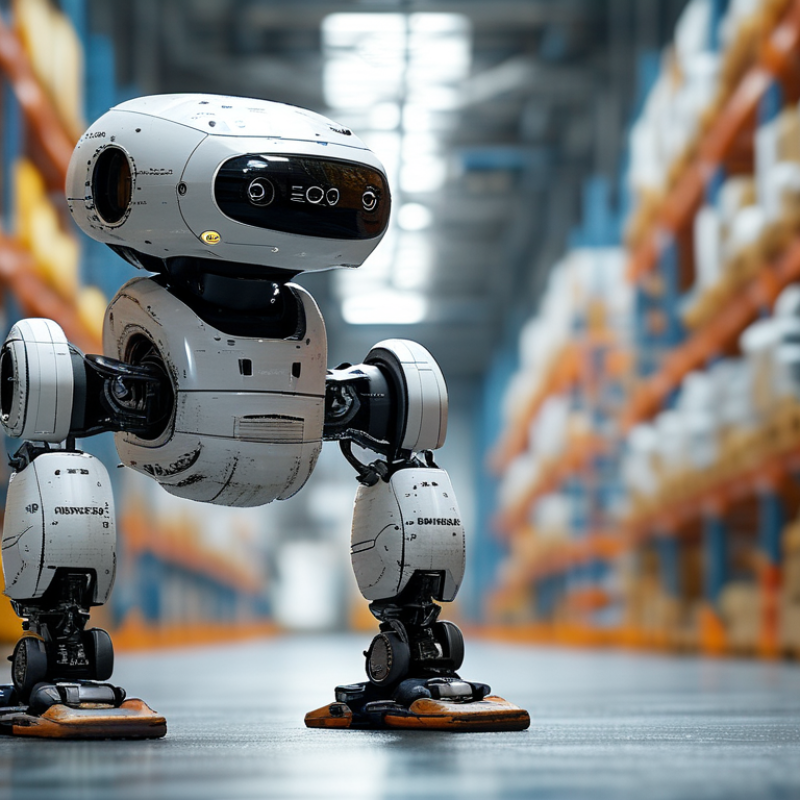
2026 How to Identify Industries That Use Quadruped Robots?

Understanding Quadruped Robots and Their Capabilities

Quadruped robots are designed to mimic the movement of animals. They possess unique capabilities such as agility and stability on rough terrain. These robots can traverse obstacles with ease, making them ideal for various industries. In agriculture, for instance, they assist in monitoring fields. With built-in sensors, they collect data efficiently. This capability allows farmers to make better decisions.

In the field of search and rescue, quadruped robots play a critical role. They navigate complex environments and locate victims in disaster scenarios. Their ability to maneuver through tight spaces is vital. However, challenges remain in their communication systems and AI decision-making. Enhancements are needed to improve interactions with human teams.

These robots are also making strides in logistics. They can transport goods across warehouses and factories. Yet, the integration of these robots into existing workflows poses issues. There are concerns regarding reliability and maintenance. As industries explore quadruped robots, continuous iteration is essential. Balancing innovation with practical application will determine their future success.

Key Industries Utilizing Quadruped Robots Today

Quadruped robots are increasingly being adopted across various industries. Agriculture is a prime example. These robots can navigate rough terrains, monitor crop health, and assist in planting. According to a 2022 market report, the agricultural robotics industry is projected to grow by 25% annually. This growth highlights the significant value of quadruped robots in enhancing efficiency and productivity.

Another critical area is logistics. Quadruped robots help in warehouse automation, transporting goods safely and efficiently. They can maneuver in tight spaces and work alongside human teams. Reports indicate that logistics automation could save 20-30% in operational costs by adopting such advanced technologies.

**Tips:** Consider exploring real-world applications to better understand these robots. Engage with professionals in robotics and automation. Networking can provide insights into emerging trends and technology. As industries evolve, acknowledging the potential limitations of these robots is essential. They may struggle with complex environments. Continuous improvement is needed for optimal performance.

2026 How to Identify Industries That Use Quadruped Robots? - Key Industries Utilizing Quadruped Robots Today

Industry Sector Key Applications Benefits of Using Quadruped Robots
Agriculture Crop monitoring, soil analysis, livestock management Increased efficiency, precision farming, labor reduction
Construction Site inspection, material transportation, safety monitoring Enhanced safety, decreased downtime, improved project timelines
Military and Defense Surveillance, reconnaissance, logistics support Increased operational capabilities, reduced risk to personnel
Healthcare Patient monitoring, assistance in elderly care, transportation of medical supplies Improved patient care, enhanced mobility for healthcare workers
Research and Development Testing environments, data collection in challenging terrains Innovative research capabilities, expanded areas of exploration

Factors Influencing Industry Adoption of Quadruped Robots

In 2026, various industries are increasingly adopting quadruped robots for their unique capabilities. A key factor influencing this adoption is the specific operational needs of each sector. Industries such as agriculture, logistics, and security benefit from the agility and mobility these robots offer. Their ability to traverse uneven terrain makes them ideal for agricultural tasks, while logistics companies utilize them for efficient transport solutions.

When considering quadruped robots, assess the required tasks. Evaluate the terrain and environment where the robots will operate. Compatibility with existing systems is also crucial. It’s important to consider the initial investment versus long-term savings. While the upfront costs are often significant, the efficiency gains may offset them over time.

Experimentation is key. Organizations should start small. Pilot programs can highlight the benefits and challenges of implementation. Be prepared for some setbacks in understanding how these robots integrate with your workforce. Document these experiences to refine the approach. Quadruped robots can transform industries, but they require a thoughtful strategy for successful integration.

Real-World Applications of Quadruped Robots Across Sectors

Quadruped robots are increasingly being integrated into various sectors due to their unique capabilities. In agriculture, these robots can navigate uneven terrains while monitoring crop health. According to a recent agricultural technology report, the adoption of agricultural robots is expected to reach $75 billion by 2026. This trend indicates a significant shift towards automation in farming practices.

In search and rescue operations, quadruped robots enhance efficiency in challenging environments. A study published by a renowned robotics institute highlighted that these robots can traverse rough landscapes that are otherwise perilous for human rescuers. Their ability to carry supplies and assess hazardous areas is invaluable. An average response time reduction of 20% has been observed in rescue missions utilizing these technologies.

Despite their advantages, challenges remain. Limited battery life and high costs can deter adoption. Additionally, integrating robots into existing workflows requires training and adaptation. As industries explore the potential of quadruped robots, these hurdles need addressing. The future holds promise, but careful consideration is essential for successful implementation across sectors.

Future Trends in Quadruped Robot Integration in Various Industries

The integration of quadruped robots is revolutionizing several industries. In agriculture, these robots can navigate rough terrains. They assist in monitoring crops and livestock. They reduce labor costs and improve efficiency. Farmers can analyze data collected by these robots for better decision-making. Precision farming is on the rise, changing how crops are grown.

In construction, quadruped robots are transforming job sites. They can carry heavy materials across uneven surfaces. This capability enhances safety and productivity. However, challenges remain, such as their ability to operate in extreme weather conditions. Companies must focus on improving durability and adaptability.

Logistics and delivery services are also seeing the benefits of quadruped robots. They can deliver goods in urban environments, navigating crowded streets. Yet, successful integration requires addressing regulatory hurdles. Ethical concerns about job displacement must also be considered. Each industry is at a different stage in adoption, requiring flexible approaches.

FAQS

: What should industries consider when adopting quadruped robots?

: Evaluate specific operational needs and assess required tasks.

How do quadruped robots benefit agriculture?

They navigate rough terrains, monitor crops, and reduce labor costs.

What are key considerations for integrating quadruped robots?

Analyze the terrain and ensure compatibility with existing systems.

How can organizations begin using quadruped robots?

Start with pilot programs to identify benefits and challenges.

Are there any setbacks when implementing these robots?

Yes, companies may face integration challenges with their workforce.

What role does data analysis play for farmers using these robots?

Collected data helps farmers make informed decisions for precision farming.

Can quadruped robots operate in construction environments?

They can carry heavy materials but face challenges in extreme weather.

Why is regulatory compliance important for logistics?

Regulatory hurdles must be addressed for effective urban deliveries.

Are there ethical concerns with quadruped robots?

Yes, job displacement issues need careful consideration in each industry.

What is a potential downside of adopting quadruped robots?

Initial investments may be high, but long-term savings could offset this.

Conclusion

Quadruped robots are rapidly gaining traction across various industries due to their unique capabilities such as mobility in diverse terrains and adaptability to different tasks. Industries that use quadruped robots the most include agriculture, where these machines assist in monitoring crops and livestock; logistics, where they aid in material transportation; and search and rescue operations, enhancing safety and efficiency.

Several factors influence the adoption of quadruped robots, including the need for automation, cost-effectiveness, and the challenges posed by certain environments. As technology advances, real-world applications are expanding, leading to increased integration of quadruped robots into sectors like construction and emergency services. Future trends indicate a growing reliance on these robots, as industries continue to explore innovative solutions that enhance productivity and operational efficiency.

Oliver

Oliver

Oliver is a seasoned marketing professional with a wealth of expertise in driving brand awareness and engagement. With a deep understanding of our company's product offerings, he consistently delivers high-quality content that enriches our professional blog. His insights not only shed light on......