The exploration of materials in quadruped robots is crucial for their development. As industries adopt these advanced machines, understanding "what materials are used in quadruped robots" becomes essential. Reports indicate that the global robotics market is expected to reach USD 74 billion by 2026, highlighting the growing significance of sophisticated robotic systems.
Materials like lightweight metals, high-strength plastics, and advanced composites play a pivotal role in enhancing performance. For example, carbon fiber composites offer impressive strength-to-weight ratios. This allows quadruped robots to move swiftly and efficiently across various terrains. However, choosing the right materials isn't straightforward. Engineers must balance durability, flexibility, and cost-effectiveness.
Furthermore, the ongoing research into bio-inspired materials may offer innovative solutions. Some studies suggest that these materials could mimic the structures found in nature, providing enhanced functionality. As the field evolves, it’s vital to continue assessing material choices. This reflection can lead to breakthroughs that drive the capabilities of quadruped robots forward, yet challenges remain in achieving optimal performance.
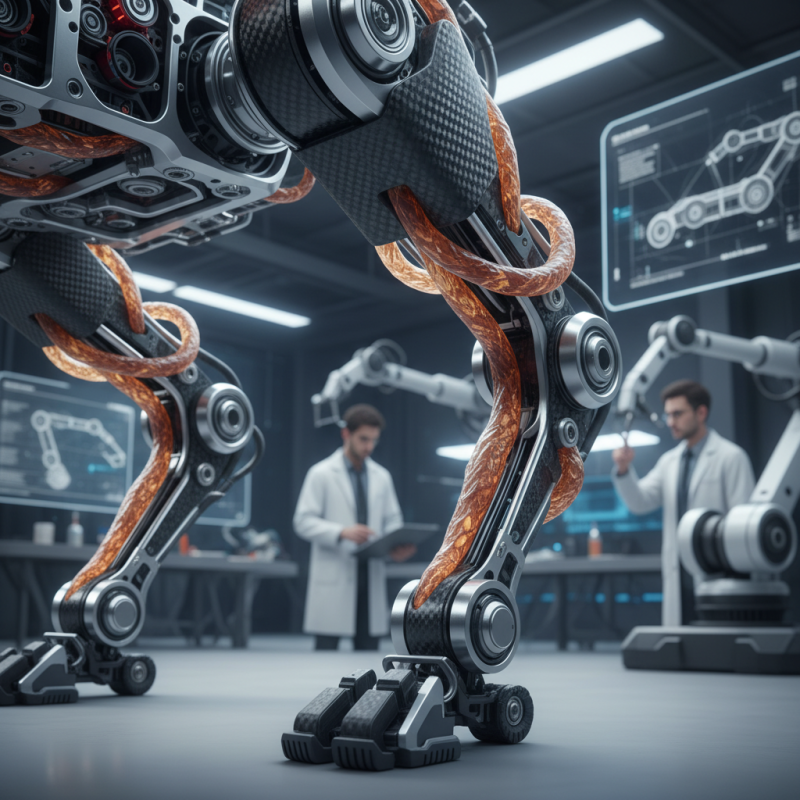
When constructing quadruped robots, selecting the right materials is crucial. Commonly used materials include plastics, metals, and composites. Each serves a unique purpose. For instance, lightweight plastics reduce overall weight and enhance agility. They can withstand everyday wear but may not handle high stress well. Engineers must carefully evaluate the required strength and durability.
Metals like aluminum offer excellent structural support. They endure stress and provide stability during operation. However, they add weight, which can limit movement. Finding the right balance between weight and strength is challenging. Composites, such as carbon fiber, provide a compelling solution. They combine low weight with impressive strength. Yet, their cost can be a barrier for some projects.
Another important aspect is the environmental impact. Sustainability is becoming increasingly vital in robotics. Some materials are more eco-friendly than others. This requires developers to reflect on their material choices. Striking a balance between performance, cost, and environmental responsibility is an ongoing struggle. Engaging in this thought process leads to better outcomes in quadruped robotics.
This chart displays the common materials used in the construction of quadruped robots, highlighting their relative usage percentage in the industry.
In designing quadruped robots, selecting the right materials is crucial. Mechanical properties directly influence performance, stability, and durability. A strong yet lightweight frame improves mobility. Carbon fiber is popular for its high strength-to-weight ratio. Metals, like aluminum, offer robustness in harsh environments.
Flexibility is another key aspect. Material choice affects how a robot adapts to different terrains. Rubber components can absorb shocks, enhancing traction on various surfaces. Likewise, innovative composites blend properties to meet mechanical demands. Engineers must consider the impact of environmental factors too.
Tips: Always test materials under real-world conditions. This helps identify potential weaknesses. Keep track of advancements in material science. Some new materials may provide better performance. Continuous learning is essential in robotics design.
When designing quadruped robots, material selection is crucial. A comparison of strength versus weight reveals interesting dilemmas. Lightweight materials often lack the strength needed for heavy-duty tasks. Metals like aluminum provide decent strength, but they also add significant weight. This trade-off can hinder the robot’s agility.
On the other hand, advanced composites and polymers are being explored. These materials can offer high strength with reduced weight. For instance, carbon fiber composites are incredibly strong yet light. However, they can be costly and require careful handling. Engineers must consider these factors when choosing materials.
Structural stability in uneven terrains is essential. Some materials may perform well in ideal conditions but fail in real-world scenarios. Evaluating long-term durability versus initial performance can be challenging. A balance must be struck between these elements to enhance robotic performance and longevity. Ultimately, every material choice impacts the overall efficiency and functionality of quadruped robots.
| Material | Tensile Strength (MPa) | Density (g/cm³) | Weight-to-Strength Ratio | Applications |
|---|---|---|---|---|
| Aluminum Alloy | 300 | 2.7 | 111.11 | Frame, Joints |
| Carbon Fiber | 500 | 1.5 | 333.33 | Limbs, Shell |
| Titanium | 900 | 4.5 | 200.00 | Structural Components |
| Plastic (PET) | 70 | 1.4 | 50.00 | Casings, Covers |
| Steel | 400 | 7.8 | 51.28 | Base Frame, Axles |
When selecting materials for quadruped robots, environmental considerations take center stage. Sustainable practices are crucial in robotics. Many materials have a significant environmental impact during production and disposal. For instance, metals often require intense mining processes that can harm ecosystems.
Biocomposites and recycled plastics are increasingly popular as alternatives. These materials not only reduce waste but also lower the carbon footprint of robotic systems. Using organic fibers combined with polymers can create lightweight yet durable structures. However, the long-term durability of these materials can be uncertain, raising questions about their viability in demanding environments.
Additionally, weather resistance and temperature fluctuations play a significant role. Materials must endure a range of conditions while maintaining performance. For example, certain polymers may become brittle in cold weather. Engineers must assess these factors when designing robots for specific tasks. Balancing material performance with environmental responsibility remains a challenge for innovators in robotics.
The future of materials in quadruped robots is shaping up to be quite intriguing. As technology advances, we see a push toward lightweight composites and bio-inspired designs. A recent report by the International Journal of Robotics Research highlights that advanced polymers can reduce robot weight by up to 30%. This decrease enhances agility, enabling quadruped robots to navigate various terrains more effectively.
Emerging materials like carbon nanotubes and graphene are increasingly being explored. These materials possess remarkable strength-to-weight ratios, making them ideal for heavy-duty applications. Studies suggest that incorporating 3D-printed components may lead to cost reductions of around 40%. However, the challenges are significant. The durability of these materials over time remains a concern, especially in extreme conditions. Researchers must address issues related to wear and tear.
Another notable trend is the integration of smart materials. These can change their physical properties in response to environmental factors. This adaptability could make quadruped robots more responsive in diverse scenarios. However, this innovation requires further testing to understand long-term implications. The balance between innovation and reliability continues to be a critical discussion in the field.
: Common materials include plastics, metals, and composites, each serving a unique role.
They reduce weight and enhance agility, but may not handle high stress effectively.
While providing stability and strength, they can significantly increase the robot's weight.
They offer high strength with low weight, but can be expensive and challenging to handle.
Evaluating the balance between performance, cost, and environmental impact is vital.
Some materials are eco-friendlier than others and impact overall sustainability in robotics.
They often lack the necessary strength for heavy-duty tasks, creating dilemmas in design.
Some materials may work well in ideal scenarios but fail in challenging terrains.
It plays a crucial role in ensuring reliable performance in uneven terrains during operations.
Long-term durability versus initial performance can greatly affect the robot's overall efficiency.
In the construction of quadruped robots, various materials are utilized to maximize performance and efficiency. The most commonly used materials include lightweight metals, plastics, and composites, each offering distinct mechanical properties essential for stability and movement. Understanding the mechanical properties, such as tensile strength and flexibility, is crucial for selecting the right materials. A comparative analysis reveals a trade-off between strength and weight, with lighter materials often providing better mobility, while stronger materials enhance durability.
Environmental considerations also play a significant role in material selection, as factors like temperature resistance and weather durability can impact a robot's performance. Looking ahead, advancements in materials science promise innovative solutions that will enable the creation of more advanced quadruped robots. Addressing the question, "What materials are used in quadruped robots?" highlights the importance of thoughtful material choices in optimizing the capabilities of these machines for various applications.

Excitech Robot